
Running Air Conditioning on Solar Power in a Koh Samui Villa
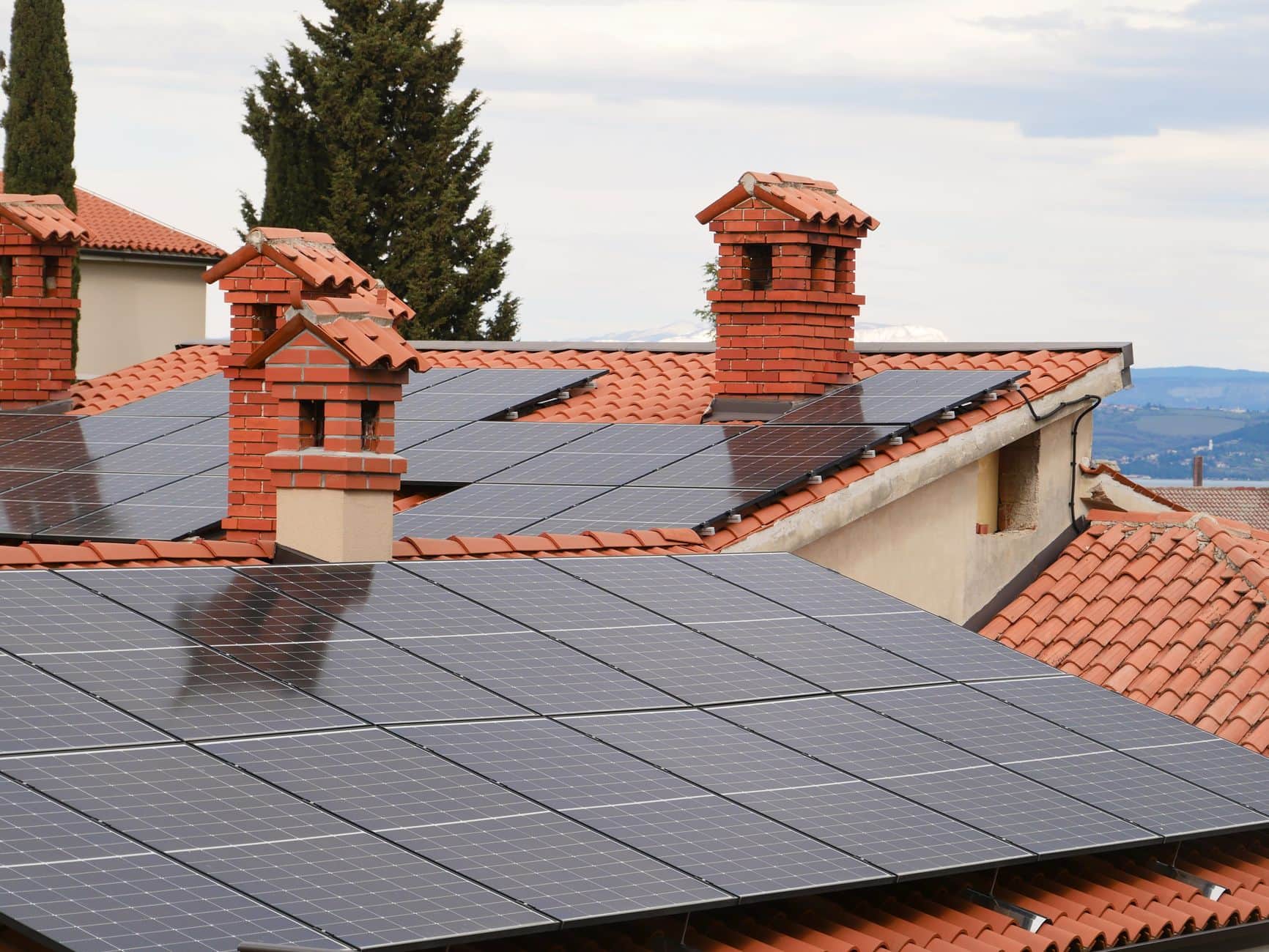
Solar panels are becoming a common sight on villa roofs around Koh Samui, and the question we get asked most is simple: can the air conditioning actually run on solar power? The honest answer is yes, but only if the system is sized correctly for how AC actually draws electricity — which is very different from how a solar system is usually planned for lighting or a pool pump.
Why AC Is a Different Kind of Load
Air conditioning is by far the heaviest electrical draw in most Samui homes, especially with units running close to 24/7 during the hot months. Two things make it harder for solar than a normal appliance:
- The compressor pulls a large surge of current for a second or two on startup, several times higher than its running wattage.
- Cooling demand peaks in the early afternoon and again after sunset, when the house has absorbed heat all day — exactly when direct solar output is falling or gone.
A solar setup sized only for average daytime loads will often trip or struggle the moment two or three AC units start at once.
Inverter AC vs Standard AC on a Solar System
This is the single biggest factor in whether solar and AC get along.
- Inverter units ramp the compressor up and down smoothly instead of switching fully on and off. They draw a steady, moderate current once running, which is much easier for solar panels and batteries to supply without spikes.
- Non-inverter (fixed-speed) units slam on at full power and cycle on and off repeatedly, creating exactly the kind of surge that solar inverters and battery systems handle badly.
If you are building or upgrading a villa with solar in mind, inverter AC is not just about the electricity bill — it is what makes the whole solar setup practical.
Battery Sizing: The Part People Underestimate
Running AC directly off panels during sunny hours is relatively straightforward. Running it off stored battery power at night is where most home solar systems fall short, because:
- A single 12,000–18,000 BTU bedroom unit can need 1–1.5 kWh per hour of real use.
- Cooling a bedroom through a full night can draw 8–12 kWh, which requires a battery bank far larger than what most villas install for lighting and sockets.
For most properties, the realistic approach is solar-assisted, not solar-only: panels offset daytime cooling and reduce the grid bill, while the grid (PEA) still carries the overnight AC load unless the owner has invested in a genuinely large battery bank.
Grid-Tied, Hybrid, or Off-Grid
Most Samui villas with solar use a grid-tied or hybrid inverter rather than a fully off-grid system:
- Grid-tied systems feed solar into the house during the day and fall back to grid power instantly when the sun drops or demand exceeds panel output — no battery needed, but no backup during outages either.
- Hybrid systems add a battery bank and can carry AC through short periods without grid power, which is useful during the storm-season outages that happen a few times a year.
- Off-grid systems are rare for villas because the battery capacity needed to run AC reliably around the clock is expensive.
If a solar installer sizes your system, tell them clearly how many BTU of AC you run and for how many hours a day — a system sized only from a monthly electricity bill often misses the real peak load.
Getting More Out of a Solar-Powered AC Setup
A few habits make a real difference once the hardware is in place:
- Set indoor units to 25–26°C rather than lower — every degree lower adds meaningful load on the compressor and the solar system.
- Run heavier cooling (bedrooms before sleep, living areas during guest hours) during daylight when panels are producing, and let insulation and fans carry some of the evening load.
- Keep filters and coils clean. A dirty unit works harder for the same cooling output, which defeats the purpose of pairing it with solar in the first place.
- Service outdoor units regularly, since salt air and dust on the coil reduce efficiency faster in a Samui coastal climate than almost anywhere else.
When the Mismatch Shows Up
Signs that an AC system and a solar/battery setup are not sized well together include breakers tripping only when AC starts alongside other loads, batteries draining faster than expected, or the inverter audibly cycling during startup. These usually point to either an oversized non-inverter unit or a battery bank sized for lighting rather than cooling.
If you are planning solar for a villa, or already have panels and the AC side isn't behaving, book a technician for an on-site look at unit type, BTU load, and how it lines up with the solar and battery setup. Same-day visits are usually possible, and diagnostic call-outs start from a set baht rate — payment by cash, Thai QR/PromptPay, or crypto. We do not offer a warranty on solar equipment itself, only on the AC servicing and repair work we carry out.