
Signs of Bad AC Installation on Koh Samui (And Why It Matters Here)
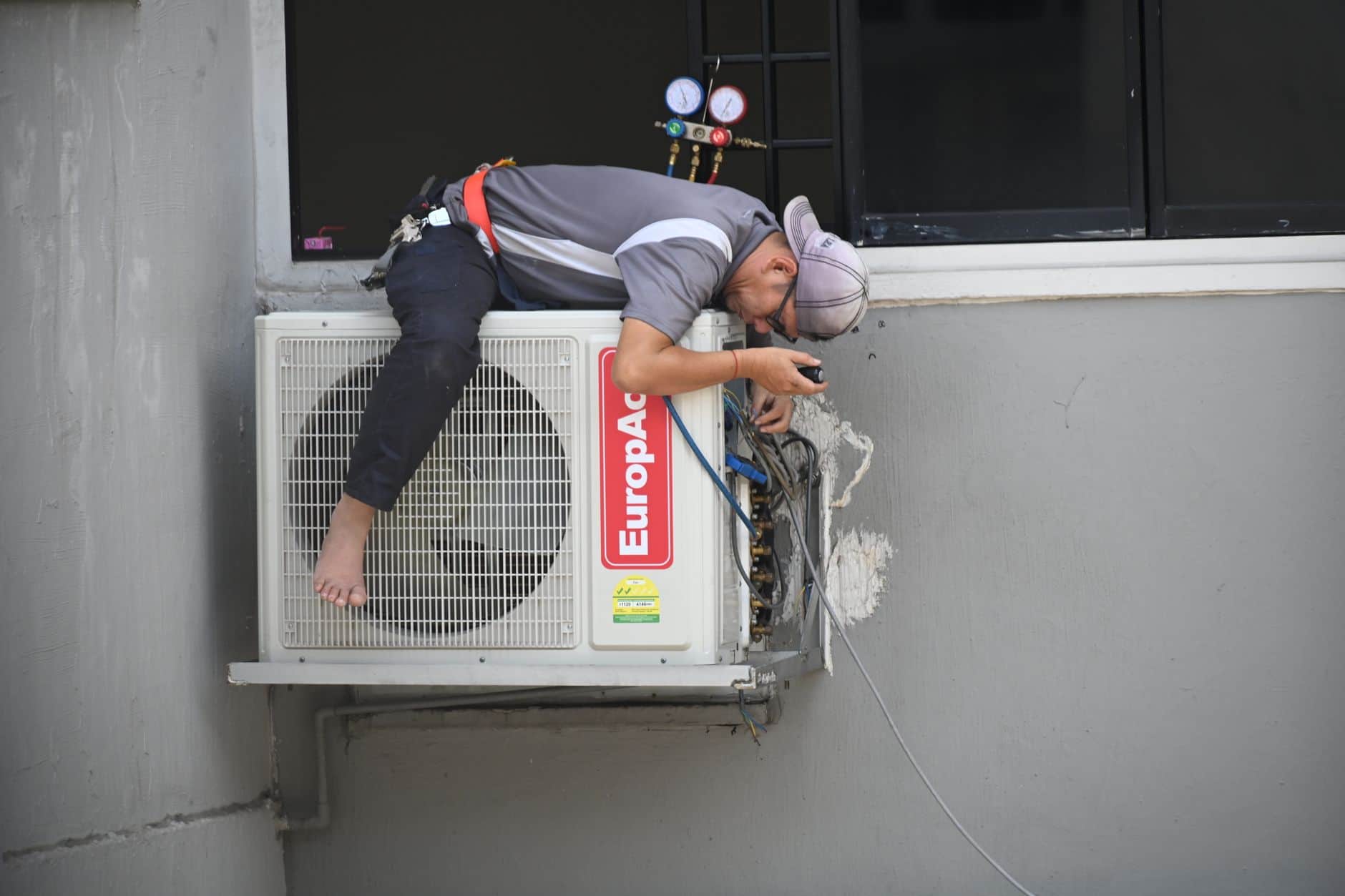
Signs of bad AC installation on Koh Samui
A lot of the aircon problems we get called for on Samui aren't really breakdowns — they're installation mistakes finally catching up with the unit. Thailand's heat, humidity, and salt air punish a sloppy install far faster than a dry, temperate climate would. A corner cut during setup that might take five years to show up in Bangkok can show up in five months here, especially near the coast.
If you just moved into a villa or condo, or you're getting a new unit fitted, here's what separates a proper job from a rushed one.
Water dripping or leaking soon after install
A brand-new or newly reinstalled unit should not drip. If you see water within the first few weeks, the usual causes are:
- The indoor unit wasn't mounted level, so condensate runs the wrong way instead of into the drain pan
- The drain hose wasn't cut to the right length or has a kink trapping water
- The team didn't flush the drain line to confirm it actually flows before leaving
A five-minute water test with a bottle poured into the drain pan during installation catches this. Many crews skip it.
Pipe insulation that's missing, thin, or already falling apart
The copper refrigerant pipes running between indoor and outdoor units carry cold gas and sweat heavily in Samui's humidity if the insulation is inadequate. Look for:
- Insulation that's visibly thin, cracked, or gapped at the joints
- Foam that's already peeling after just months, not years — a sign of cheap material that can't handle constant heat and UV
- Damp patches or drips along the pipe run itself, not just at the indoor unit
Under-insulated piping wastes cooling power and eventually soaks the wall or ceiling it runs through, which invites mold.
Drain line with no fall, or routed uphill
Condensate drains work by gravity. The line needs a steady downward slope the whole way to the outlet — no flat sections, no dips where water can pool and stagnate. On Samui's humid air, standing water in a drain line turns into a slime and mold factory within weeks, which then clogs the line and sends water back into the room. If your indoor unit has flooded more than once in its first year, the drain slope is a prime suspect.
Outdoor unit crammed against a wall or in direct, unshaded sun
The outdoor unit needs clear air on at least two sides to exhaust heat properly. A unit shoved into a tight alcove, boxed in by a wall extension, or baking all afternoon in direct sun will run hotter, work harder, and wear out faster — and near the coast, that extra heat cycling speeds up salt corrosion on the coils even more.
Electrical shortcuts
These are less visible but more serious:
- No dedicated breaker for the unit, sharing a circuit with other high-draw appliances
- Undersized wiring that gets warm to the touch near the outdoor unit
- No proper earthing, which is a real safety risk during Samui's frequent lightning storms
If your circuit breaker trips repeatedly when the AC starts, don't just keep resetting it — get the wiring checked.
Musty smell or visible mold within the first few months
A new unit smelling musty within its first rainy season usually points back to one of the issues above — trapped moisture from bad drainage or condensation settling into damp insulation, ductwork, or the wall cavity. It's not something a filter clean fixes; it's a sign the install itself let moisture in somewhere it shouldn't be.
What to do if you suspect a bad install
Most of these issues are fixable without replacing the unit — re-leveling the indoor unit, re-running the drain line with proper slope, re-insulating exposed piping, or relocating the outdoor unit for airflow. A technician can usually diagnose the root cause on a single visit rather than guessing with repeated cleanings.
If you're renting or just bought a place and the AC has any of these symptoms, it's worth having it checked before the next rainy season rather than living with recurring leaks or a musty bedroom. We do same-day visits across Samui and take cash, Thai QR/PromptPay, or crypto. If you'd like someone to take a look, you can book a technician.