
Salt Air and Your AC: Stopping Corrosion on Koh Samui's Beachfront
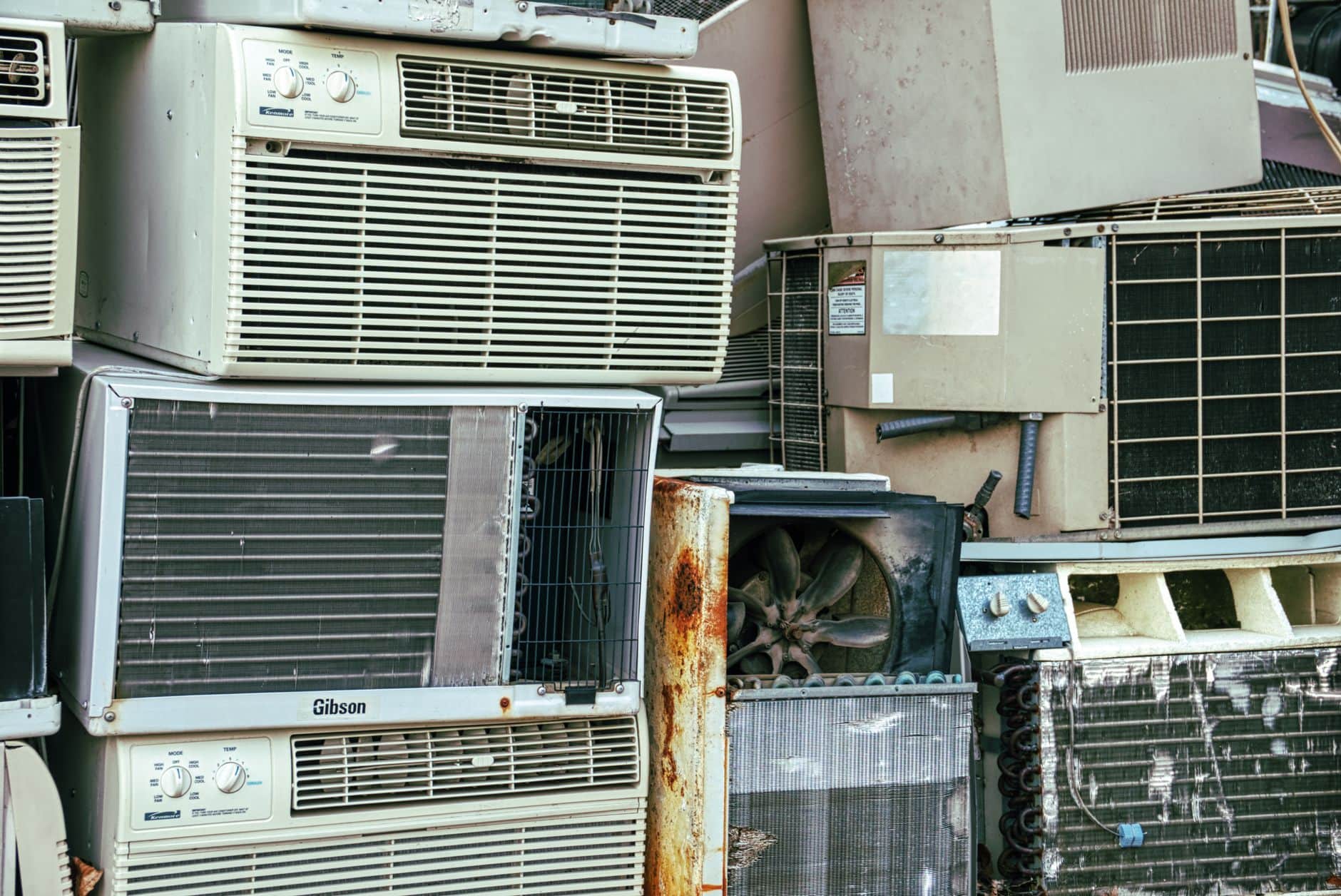
Salt Air Air Conditioner Damage: Why Beachfront Units on Koh Samui Fail Faster
If your villa or bungalow sits within a few hundred meters of the sea in Bophut, Chaweng, Lamai, or Maenam, your AC is aging faster than a unit up in the hills. Salt-laden air is one of the toughest things an outdoor condenser has to survive, and most owners only notice the damage once cooling performance already drops.
Why Salt Air Is So Destructive
Sea breeze carries fine salt particles that settle on the outdoor unit's aluminum fins and copper coils. Combined with Samui's humidity, this creates a steady electrochemical reaction that eats away metal:
- Aluminum fins pit, thin out, and eventually crumble at the edges
- Copper coils and connections corrode, leading to slow refrigerant leaks
- Steel screws, brackets, and the casing rust and weaken
- Corroded fins block airflow, so the compressor works harder and uses more electricity
Units within 100-200 meters of the water are hit hardest, but even properties a kilometer inland get some exposure during windy season.
Early Signs of Salt Corrosion
Check the outdoor unit every couple of months and look for:
- White or greenish powdery residue on the fins
- Rust spots on screws, the casing, or the mounting bracket
- Bent, crumbling, or discolored aluminum fins
- Weaker airflow from the outdoor unit fan
- The system running longer to reach the same temperature
Caught early, corrosion can be slowed. Left alone, it usually means an expensive coil or full unit replacement well before the AC's normal lifespan is up.
Protecting a Unit Near the Beach
A few practical steps make a real difference:
- Rinse with fresh water every 2-3 weeks during dry season and weekly in windy months, just a gentle hose-down of the outdoor coil, no pressure washer
- Position matters: if you're building or renovating, mount the outdoor unit away from direct sea wind, ideally with a wall or louvered cover breaking the airflow
- Ask for coated coils: many outdoor units sold in Thailand come with an optional blue or gold anti-corrosion coating on the fins, worth requesting for coastal installs
- Cover it during storms, but never cover the unit while it's running, this traps heat and moisture
- Trim salt-crusted vegetation and avoid direct sprinkler spray hitting the unit if you have a garden nearby
How Often Coastal Units Need Professional Attention
For a beachfront property, a proper chemical coil cleaning every 3-4 months is realistic, compared to every 6 months further inland. A technician can flush out the salt buildup a garden hose can't reach and check refrigerant pressure, which tells you if a slow corrosion leak has already started.
When Cleaning Isn't Enough Anymore
If fins are already crumbling or you're topping up refrigerant more than once a year, cleaning won't fix it, the coil itself is compromised. At that point replacing just the outdoor coil is usually cheaper than a full new system, but a tech needs to inspect it in person to confirm.
A Simple Maintenance Rhythm for Beach Villas
- Monthly: quick visual check, rinse if salty film is visible
- Every 3-4 months: professional chemical wash and inspection
- Before and after rainy/windy season: full check of drainage, coils, and electrical connections
- Annually: full service including refrigerant pressure check
We do same-day visits across Samui and can set up a recurring coastal maintenance schedule for your property. Payment is cash, Thai QR-PromptPay, or crypto, no warranty is offered but every visit includes an honest assessment of what's actually needed. Book a technician to get a beachfront unit checked before the damage gets expensive.