
Reduce AC Heat Load in Your Koh Samui Villa Before You Switch It On
Reduce AC Heat Load in Your Koh Samui Villa Before You Switch It On
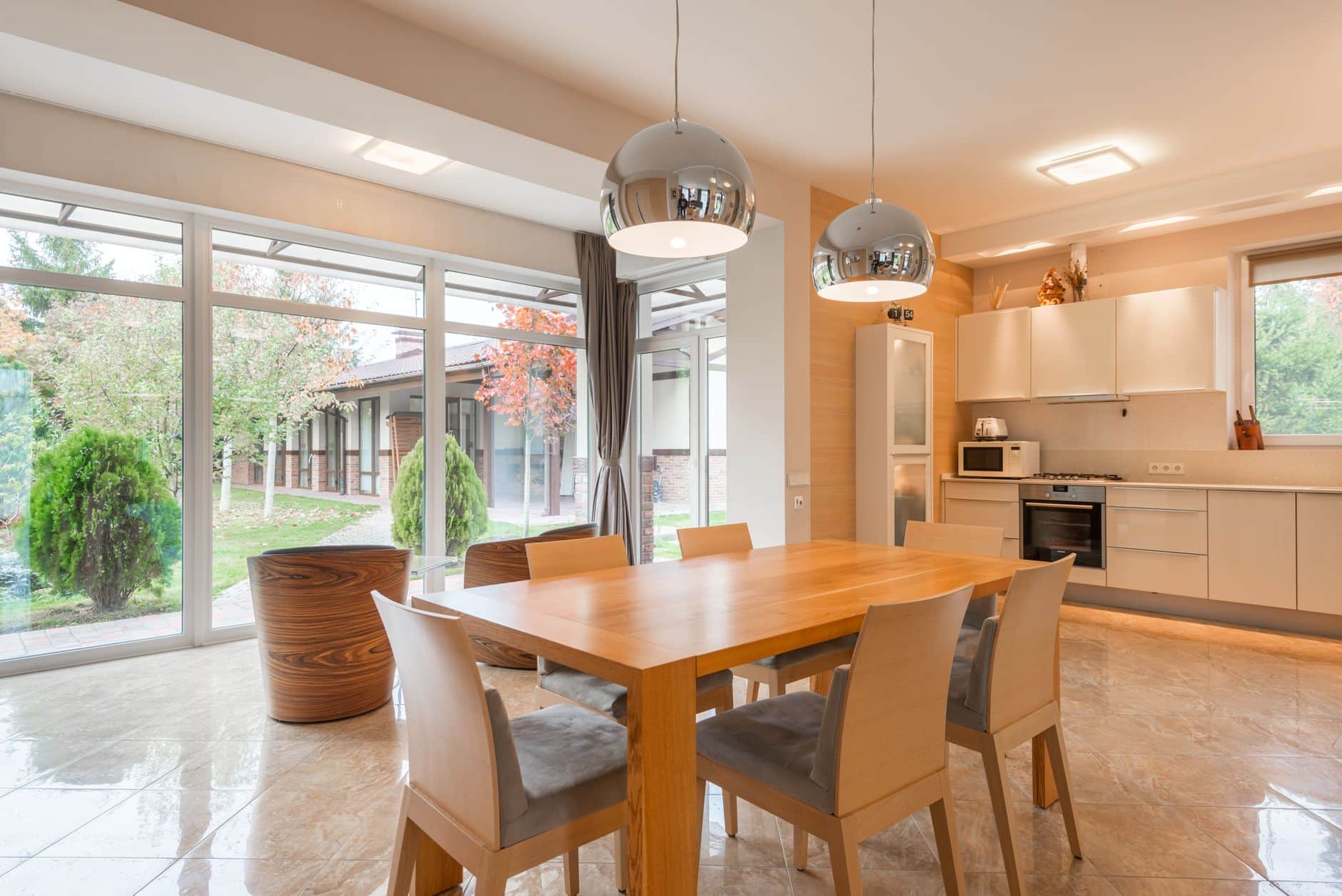
Most people only think about the aircon unit itself — the brand, the BTU, how often it gets cleaned. But on Koh Samui, where the sun is strong almost year-round and villas often have large windows, tin roofs, or open-plan layouts, a huge amount of heat enters the building before the compressor even starts working. Cutting that heat load down means your AC runs shorter cycles, uses less electricity, and wears out slower.
Why Heat Load Matters in the Tropics
An aircon doesn't create cold — it removes heat. The more heat that leaks into a room through windows, walls, and the roof, the harder and longer the unit has to run to hold the set temperature. On Samui this is worse than in a temperate climate because:
- The sun angle is high and direct for most of the day, all year
- Many villas face west or have sea-view glass walls that catch afternoon sun
- Metal roofing heats up fast and radiates into the ceiling space below
- Humidity means even shaded rooms feel warmer than the thermometer suggests
A unit fighting constant heat gain will struggle to reach set temperature, cycle more often, and show higher power bills even if it was cleaned and serviced recently.
Window Film and Tinting
Glass is usually the single biggest source of heat gain in a villa. Applying solar control window film (sometimes called heat-rejection or UV film) to west- and south-facing windows can block a large share of incoming solar heat while still letting in visible light.
- Look for film rated for both heat rejection and UV blocking — UV also fades furniture and fabrics
- Reputable installers on Samui can fit film in a few hours per room
- It pays for itself over time through lower AC runtime, and protects floors and furniture from sun damage too
Curtains, Blinds and Shade
If window film isn't an option — rented property, budget, or landlord restrictions — heavy curtains or blinds closed during peak sun hours (roughly 11am–4pm) make a real difference. Light-colored, thermally lined curtains reflect more heat than thin fabric. Outside the building, shade structures matter too:
- Overhangs, awnings, or a simple shade sail over west-facing glass block direct sun before it even hits the window
- Mature trees or tall plants on the sun-exposed side reduce surface temperature on walls and glass
- Light-colored exterior walls reflect more heat than dark ones
Insulation and Roof Space
In many Samui villas, the roof space above the ceiling gets extremely hot during the day and slowly releases that heat into the rooms below in the evening — exactly when people want the house to cool down fastest. Reflective foil insulation or proper roof insulation under the tiles or metal sheeting reduces this effect significantly. If a full insulation retrofit isn't practical, even improving attic ventilation (vents that let hot air escape rather than sit trapped) helps.
Shading the Outdoor Unit Too
Heat load reduction isn't only about the room — the outdoor condenser unit matters too. A compressor working in direct afternoon sun has to reject heat into air that's already hot, which lowers efficiency. A simple shade cover or roof placed above (never blocking airflow around) the outdoor unit can measurably improve performance, especially during the hottest months.
What This Means for Your Running Costs
None of these fixes replace a well-sized, well-maintained AC system — but they reduce how hard it has to work. In practice, villa owners who combine window film or shading with regular filter and coil cleaning often see:
- Shorter cooling cycles and less compressor strain
- Lower electricity bills, especially in rooms with large glass areas
- Rooms reaching target temperature faster after the AC is switched on
- Less condensation and humidity stress inside the room
Quick Checklist
- Tint or film west-facing and sea-view glass
- Close heavy curtains during peak sun hours
- Add external shade (awning, sail, overhang) where possible
- Check or improve roof space ventilation and insulation
- Shade the outdoor unit without blocking its airflow
- Keep up with regular aircon cleaning so a cooler room stays efficient too
If your AC still struggles to keep a room cool even after reducing heat gain, the unit itself may need attention — low refrigerant, a dirty coil, or a system that was undersized from the start. You can book a technician for an inspection and get a straight answer on whether the fix is the building or the machine.