
Geckos, Ants, and Insects in Your Outdoor AC Unit: A Koh Samui Problem
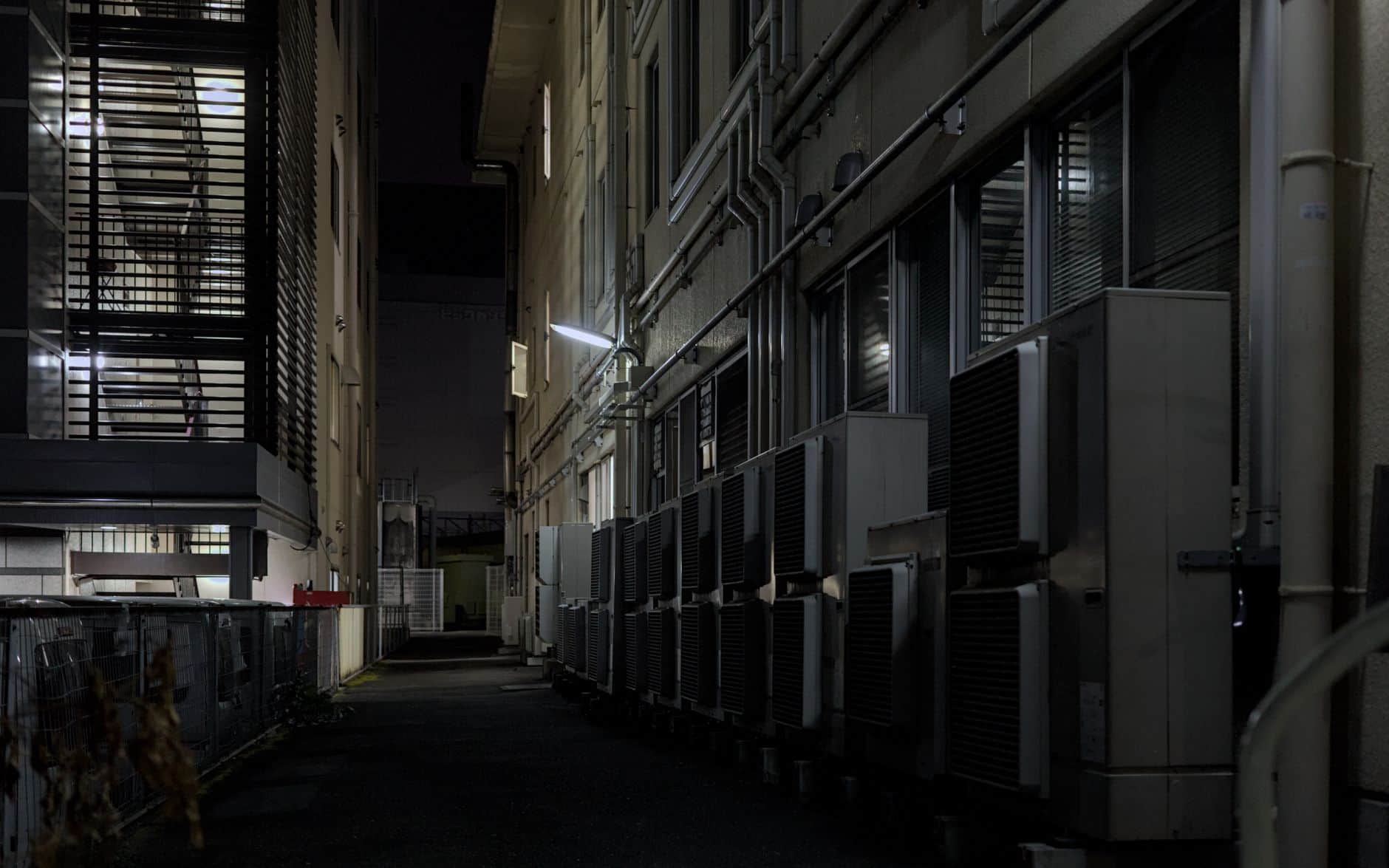
Geckos, Ants, and Insects in Your Outdoor AC Unit: A Koh Samui Problem
If your outdoor AC unit suddenly trips the breaker, hums but won't start, or smells faintly burnt, the cause isn't always dust or old age. On Koh Samui, a huge number of outdoor unit failures come from something nobody thinks about until it's too late: geckos, ants, and other insects nesting inside the electrical box.
The island's warm, humid climate makes outdoor units an attractive shelter — dry, dark, and warmer than the surrounding air at night. Left unchecked, this is one of the most common causes of sudden "no reason" breakdowns we get called out for.
Why Outdoor Units Attract Pests Here
Outdoor condensers on Samui are almost always mounted outside, often close to gardens, walls, or roof eaves — exactly where geckos and ants already live. A few reasons the unit itself becomes a target:
- The casing is dry and sheltered from rain, unlike most of the surrounding jungle or garden.
- Electrical components generate a small amount of warmth, appealing on cooler nights.
- Gaps around cable entry points and drainage holes give easy access.
- Ants are drawn to the electromagnetic field of running components and often build nests directly against terminals and capacitors.
Geckos usually come in chasing insects, then get trapped or build a habit of sheltering there. Either way, both eventually make contact with live components.
Warning Signs Pests Are Already Inside
Catching this early saves you a much bigger repair later. Watch for:
- The breaker trips repeatedly, especially after rain or at night
- A faint burning or acrid smell near the outdoor unit
- Visible ant trails leading into the casing
- The unit runs intermittently or cuts out and restarts on its own
- Small droppings or shed gecko skin near the vents when you open the cover
If you see any of these, switch the unit off at the breaker and call for an inspection rather than waiting to see if it "sorts itself out" — it usually doesn't.
The Real Damage They Cause
This isn't just an inconvenience. Ants nesting inside the electrical compartment can:
- Short-circuit the control board or capacitor, which can mean a full board replacement
- Chew through wire insulation, creating an intermittent fault that's hard to diagnose
- Cause corrosion around terminals from their acidic secretions, leading to loose or arcing connections
A gecko that gets into the wrong spot can trip a breaker instantly, and in rarer cases cause visible scorching on a board — an expensive fix that a five-minute cleaning could have prevented.
How to Pest-Proof Your Outdoor Unit
A few habits go a long way on a tropical island like this:
- Keep vegetation trimmed back at least 30–40cm from the unit — overgrown plants are a highway for ants and geckos straight to the casing
- Ask your technician to check and reseal cable entry gaps during routine cleaning
- Avoid stacking storage boxes, pots, or firewood against or on top of the unit
- If you notice ant trails anywhere near the unit's base, treat the area early rather than waiting for them to reach the wiring
- During your regular service, ask specifically for the electrical compartment to be opened and inspected, not just the coil rinsed
Routine cleaning that only hoses down the coil misses this problem entirely — the electrical box needs a visual check too.
What To Do If You Suspect an Infestation
Don't poke around inside the electrical compartment yourself — capacitors can hold a charge even when the unit is off. Turn the unit off at the breaker and get a technician to open it up safely.
On Samui, same-day visits are common, so there's usually no need to run without AC for long. We accept cash, Thai QR/PromptPay, or crypto, and we'll tell you honestly if it's a quick clean-out or a part needs replacing — note that we don't offer a warranty on repairs.
If your outdoor unit has been acting strangely, don't wait for it to get worse. Book a technician for an inspection and we'll check the electrical compartment along with the usual clean.