
Multi-Split vs Single-Split AC: Which System Fits Your Koh Samui Home?
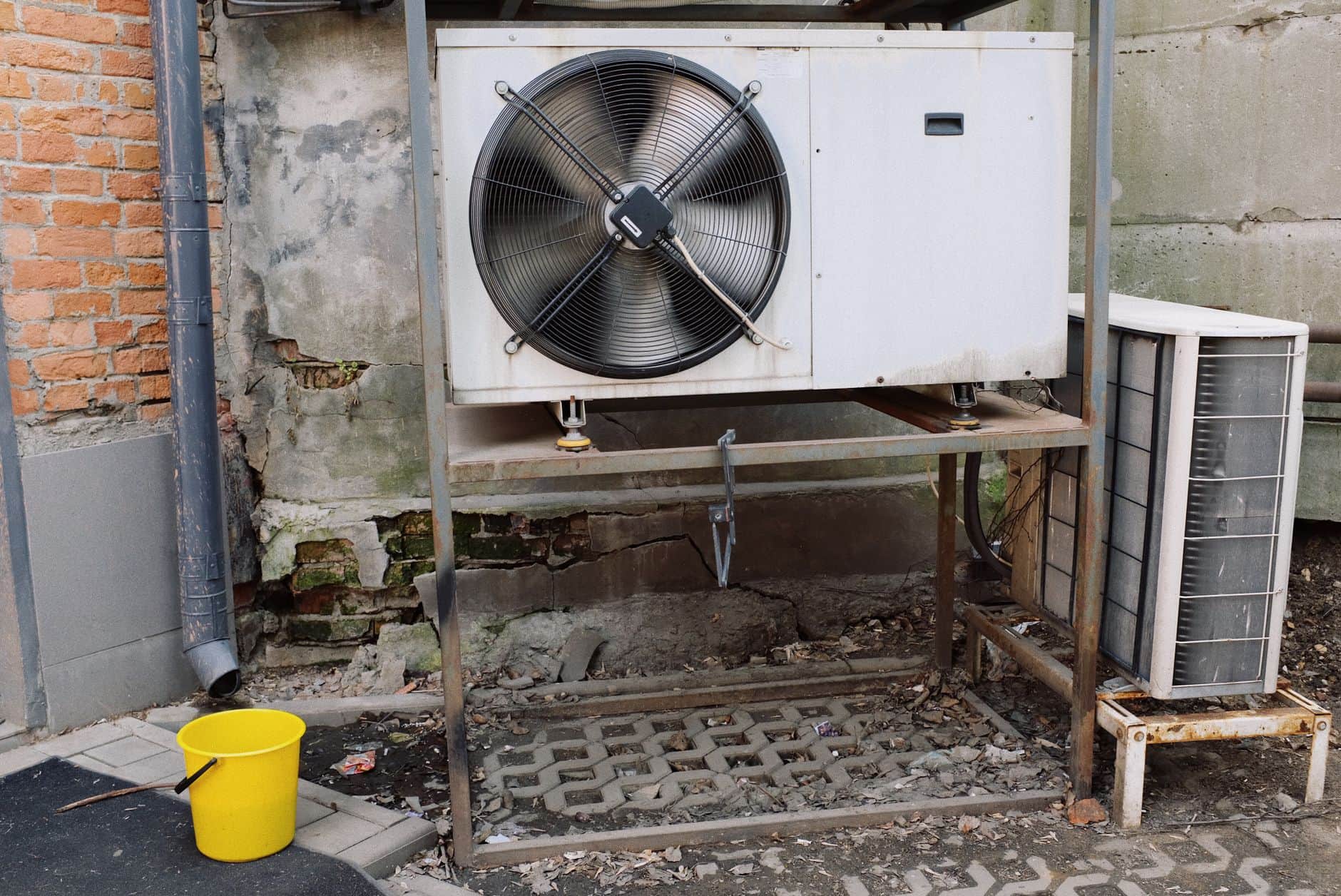
If you're planning a new aircon setup — or replacing an old one — for a villa, condo, or shophouse in Koh Samui, one of the first decisions is whether to install a single-split system for each room or a multi-split system that runs several indoor units off one outdoor compressor. Both work, but they behave very differently once the tropical climate and years of use are factored in.
The Basic Difference
A single-split system pairs one outdoor unit with one indoor unit. A multi-split system connects two, three, or more indoor units to a single outdoor condenser. Multi-split is common in condos and smaller villas where wall space or roof space for outdoor units is limited, or where the building look matters and owners don't want several condensers lined up outside.
Why the Choice Matters More Here Than Elsewhere
Samui's climate is hard on outdoor units year-round — salt air near the coast, heavy dust in the dry season, constant humidity, and near-constant running (many homes cool rooms 10+ hours a day, every day, all year). That workload shortens component life faster than in temperate climates, so the system architecture affects how failures play out:
- Single-split: if one outdoor unit fails, only that room loses cooling. The rest of the house keeps running.
- Multi-split: if the shared outdoor compressor fails, every connected room loses cooling at once — often the bedroom, living room, and guest room together.
For rental villas especially, a multi-split outage during a booking is a bigger problem than a single bedroom unit going down.
Cost: Upfront vs Over Time
Multi-split systems usually cost less to install than the same number of single-split units, because you're only paying for one outdoor unit and one power run instead of several. Rough figures we see locally: single-split installation often starts from about 15,000฿ per room, while adding an indoor unit to an existing multi-split outdoor unit can start from around 10,000–12,000฿ each.
Over time, though, multi-split systems can cost more to repair. A refrigerant leak or compressor fault on a shared outdoor unit is more complex to diagnose because it's serving multiple indoor units at different distances and loads, and repairing it takes the whole system offline rather than one room.
Maintenance Differences Worth Knowing
- Cleaning: each indoor unit still needs its own regular chemical wash — multi-split doesn't reduce that. We recommend cleaning multi-split indoor units on the same schedule together, since they share load through one compressor.
- Refrigerant charge: multi-split systems are more sensitive to correct refrigerant charge and pipe routing between the outdoor unit and each indoor unit. Poor original installation shows up as uneven cooling between rooms years later.
- Diagnosing faults: on a multi-split, "which unit is the problem" isn't always obvious from symptoms alone — a technician often needs to isolate each indoor unit to find where a leak or blockage actually is.
Which Setup Fits Which Property
- Small condo, 1–2 rooms cooled: single-split is usually simplest and cheapest to maintain — no shared points of failure to worry about.
- Villa with 3+ rooms and limited outdoor wall/roof space, or strict aesthetic rules: multi-split makes sense despite the added repair complexity.
- Rental villas that need to stay bookable: consider single-split, or at most a 2-unit multi-split per zone, so one fault doesn't take out the whole property.
- Shophouses and small offices: single-split per room is standard and easiest to service without disrupting business hours.
If You Already Have a Multi-Split System
You don't need to replace it just because of the risks above — most multi-split systems run reliably for years with proper cleaning and correct initial installation. What matters most is catching problems early: uneven cooling between rooms, longer run times, or one indoor unit cycling more than the others are early signs worth having checked before the whole system is affected.
Getting an Honest Recommendation
The right choice depends on your building layout, budget, and how much downtime you can tolerate if something fails. If you're planning a new installation or unsure whether your current setup suits the property, book a technician for a walkthrough — same-day visits are usually available, and we can look at your specific layout before you commit either way. We don't offer a warranty on installation work, but we'll tell you honestly which system fits your situation. Payment is by cash, Thai QR-PromptPay, or crypto.