
Inverter vs Non-Inverter AC in Koh Samui: Which One Actually Saves Money
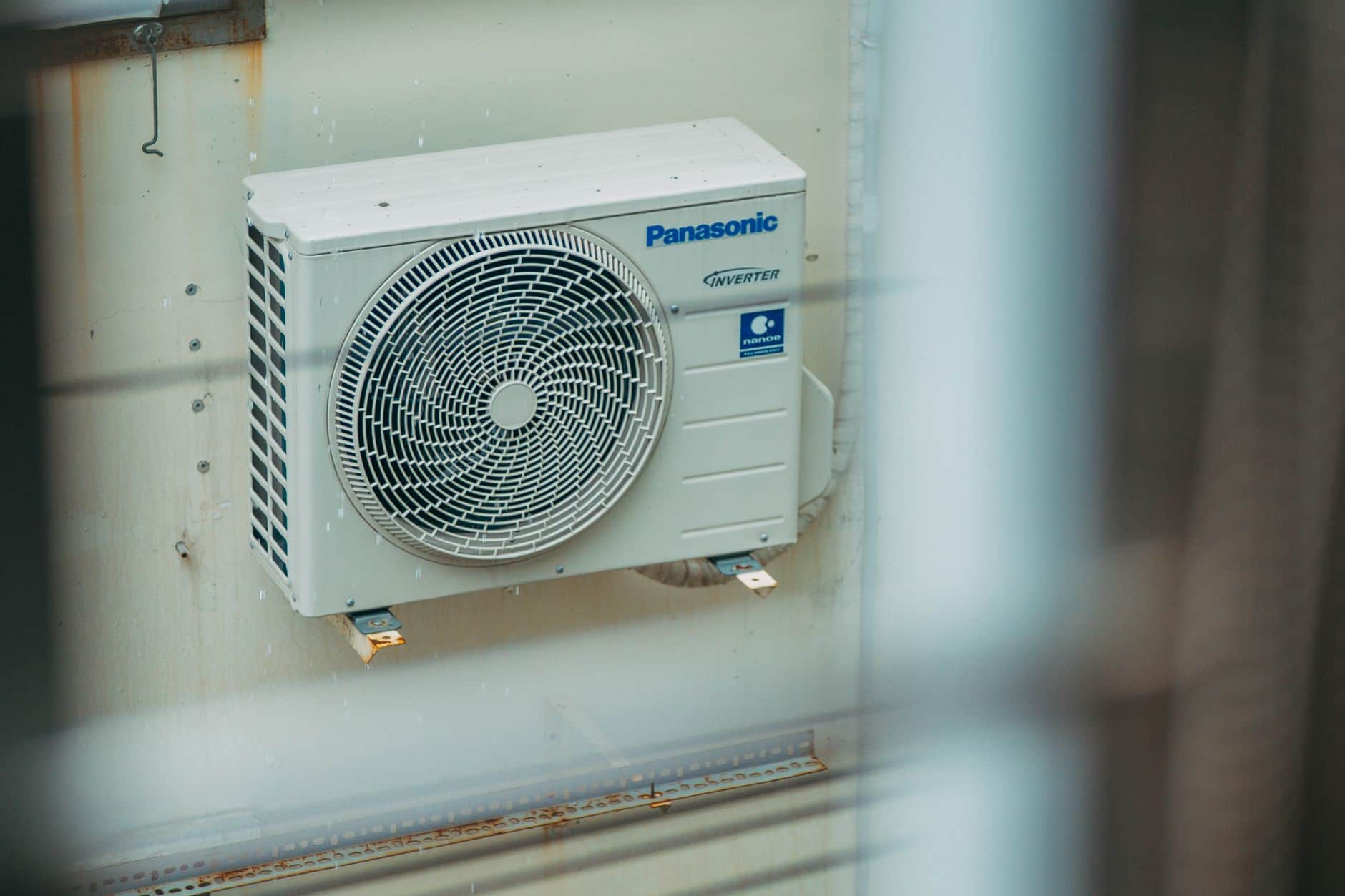
Inverter vs Non-Inverter AC in Koh Samui: Which One Actually Saves Money
Almost every AC quote on Samui now includes an inverter option, usually at a higher upfront price. Whether that extra cost is worth it depends heavily on how the unit gets used here, not on marketing claims. Here's what actually happens with each type in a tropical climate that runs hot and humid all year.
How the Two Technologies Differ
A non-inverter (fixed-speed) compressor only has two states: full power or off. It cools the room down, shuts off, then kicks back on at full blast once the temperature drifts up again. That on-off cycling is where most of the wear and extra electricity use comes from.
An inverter compressor adjusts its speed continuously. Once the room reaches the set temperature, it slows down and just holds that temperature with small, steady adjustments instead of stopping and restarting.
Why This Matters More in the Tropics
Samui doesn't have a real off-season for AC. Units here often run 8-16 hours a day, every day, for years. That changes the math compared to a place with a short summer:
- Constant cycling adds up fast. A non-inverter unit running all day in 30°C+ heat with high humidity restarts far more often than the same unit in a mild climate, and each restart is a small surge in current draw.
- Inverter units hold humidity control better. Because they run at low, steady speed instead of blasting cold air then stopping, they remove moisture more consistently. That matters on Samui, where high humidity is what drives mold growth inside the unit and in the room.
- Long runtimes favor efficiency gains. Inverter tech saves the most electricity during long, steady operation, which is exactly the usage pattern of a villa or condo that's occupied most of the day.
Electricity Bill Reality
For a room that's cooled a few hours a day, the difference between inverter and non-inverter is often modest. For a room running most of the day, guests report noticeably lower bills after switching to inverter, roughly in the range of 20-40% lower electricity use for the same cooling, though this varies by room size, insulation and how the unit is set.
The catch: an inverter unit only delivers those savings if it's sized correctly and kept clean. An oversized inverter unit still short-cycles. A dirty one, inverter or not, has to work harder for the same result, which quietly eats into any savings.
Maintenance Differences
Inverter units have more electronics in the outdoor unit (the control board) and are generally more expensive to repair if something fails. Non-inverter units are simpler and cheaper to fix, which matters for older rental properties where budget parts availability can matter more than peak efficiency.
Both types need the same basic upkeep in this climate:
- Regular filter checks, since dust and salt air near the coast clog filters faster here than inland
- Coil cleaning to keep airflow and cooling capacity from dropping
- Drainage checks, since blocked condensate lines are one of the most common service calls on the island
Which Should You Choose
- Rooms used most of the day (living areas, main bedrooms in a full-time home): inverter usually pays for itself over a few years through lower electricity use.
- Rooms used occasionally (guest rooms, storage areas): a non-inverter unit is often the more sensible, lower-cost choice.
- Rental properties with tight maintenance budgets: non-inverter can make sense for simpler, cheaper repairs, even if running costs are slightly higher.
Getting the Right Advice for Your Space
If you're not sure which fits your unit count, room sizes and how often each room is used, it's worth getting a technician to look at the space before you buy. Same-day visits are common on the island, and pricing is quoted upfront in baht before any work starts. Payment is cash, Thai QR/PromptPay or crypto.
If your current AC is running constantly and your bills feel high regardless of type, it's often a maintenance issue rather than a technology one. book a technician to check filters, coils and drainage before assuming you need a new unit.