
Best AC Setup for High-Ceiling Sala and Open-Plan Villas in Koh Samui
Best AC Setup for High-Ceiling Sala and Open-Plan Villas in Koh Samui
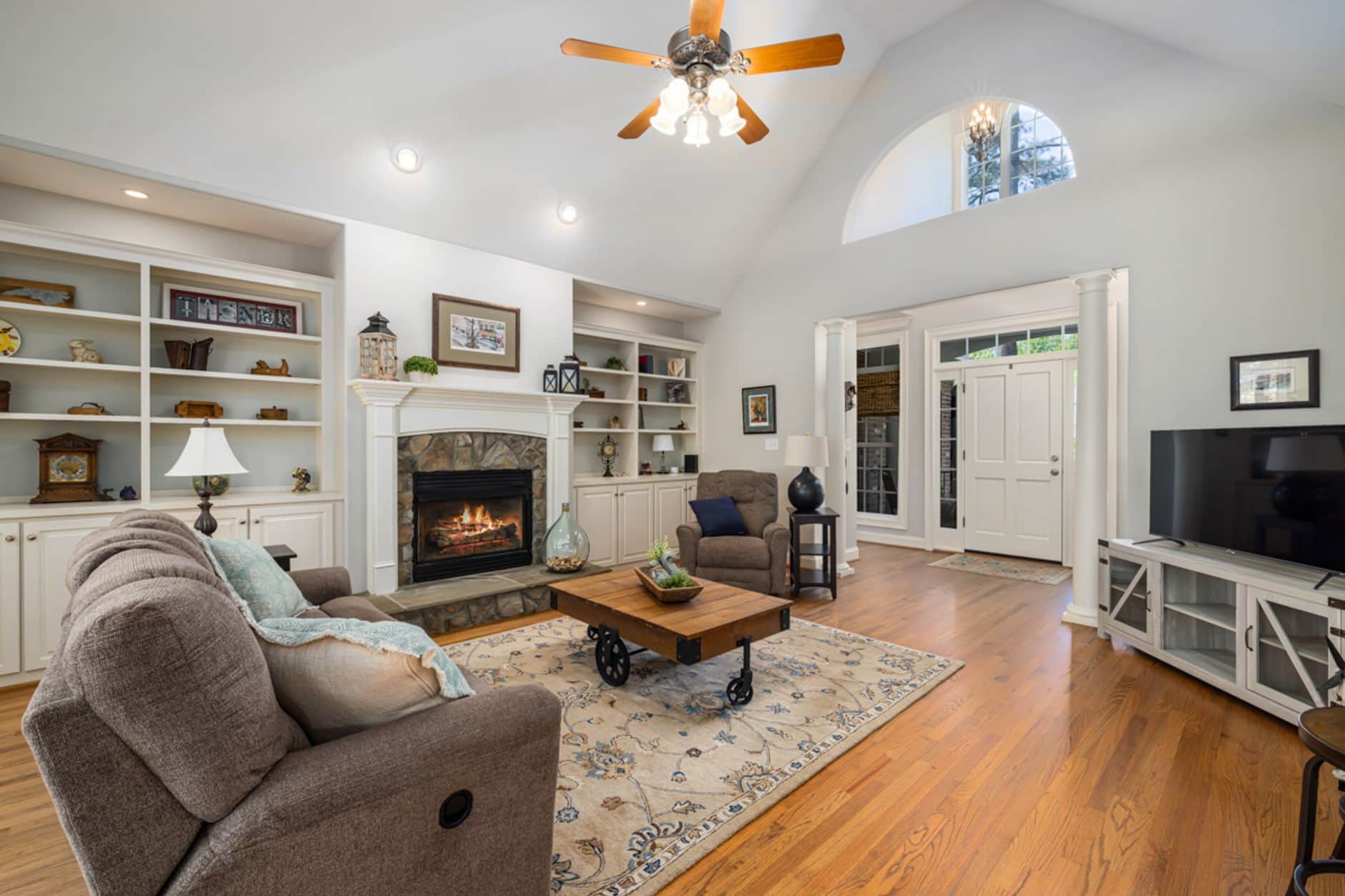
Open-plan sala living rooms with pitched roofs and ceilings 4-6 meters high are one of the most common — and most frustrating — cooling problems we see on Samui. The design looks beautiful, catches the breeze, and photographs well for rentals. But a standard wall-mounted unit sized for a normal 2.5m ceiling almost never cools these rooms properly, no matter how big it is.
Why High Ceilings Are Hard to Cool
Heat rises, and in a tropical climate that effect is stronger than people expect. In a 5-6 meter sala:
- Cool air from a wall unit sinks to the floor while hot, humid air pools near the roofline
- The thermostat sensor sits at head height and reads a temperature that has little to do with what's happening near the ceiling
- Open sides (common in Samui sala design) let hot outside air mix in constantly, so the unit never gets to finish the job
- Ceiling fans alone don't solve it — they mix air but don't remove heat or humidity
The result we're called out for most often: the AC runs constantly, the electricity bill is high, and the room still feels muggy at seating height.
Sizing: Forget the Standard BTU Chart
Standard BTU-per-square-meter charts assume a normal ceiling height and a sealed room. For a sala with a 5m+ ceiling and any open sides, you need to size on room volume, not floor area, and add a real margin for infiltration:
- Measure floor area and multiply by actual ceiling height (not 2.5m) to get volume
- Add 20-30% capacity on top of a standard volume calculation if any wall is partially open to the outside
- Split the load across two or three units rather than one oversized unit — a single very large unit short-cycles and still leaves cold and hot pockets in a long room
An undersized system in this kind of space will run 24/7 and still lose the fight against a hot roofline. It's one of the more expensive mistakes we see owners make.
Placement Matters More Than Brand
For high, open spaces, where the indoor units go matters as much as capacity:
- Mount units as high as practical, angled to push air downward and outward, not straight across a narrow band
- In long salas, use two smaller units at opposite ends rather than one unit in the middle — this avoids the classic problem where one end is freezing and the other is still hot
- Ceiling cassette units, which throw air in four directions, often perform better than wall-mounted units in square or nearly square open-plan rooms
- Keep the return air intake clear of high shelving, curtains, or beams that block airflow back into the unit
Pair the AC With Passive Design, Not Against It
Many Samui salas were built to work with the breeze, not against it. If the space is meant to be open most of the time, running full AC against an open wall is a losing battle — and an expensive one. A few things that actually help:
- Retractable glass or screen panels that can close the open side when the AC is running and open it when it isn't
- Large ceiling fans running on low, used together with AC, to push the cooled air down instead of letting it stall near the floor
- Light-colored, reflective roofing or insulation under the roof deck, which cuts a large share of the radiant heat load before it ever reaches the room
Getting the Combination Right
Because every sala is a different shape, height, and level of exposure, there's no single spec that works for all of them. What we actually do on-site:
- Measure the real volume and openness of the room, not just floor area
- Recommend a split-unit layout across the space rather than one central unit
- Check existing ductwork or pipe runs if the villa already has a partial system that's underperforming
If your sala or open-plan living room never quite cools down no matter how long the AC runs, it's very likely a sizing and placement problem rather than a broken unit. We do same-day site visits across Koh Samui to measure the space and recommend a setup that actually works — no warranty claims needed if the current system is simply undersized. Payment is cash, Thai QR-PromptPay, or crypto.
If you want an assessment of your space, book a technician and we'll come take a look before you spend money on a bigger unit that still won't solve the problem.