
Installing AC in a Koh Samui Condo: Juristic Office Rules You Need to Know
Why Condo Buildings Control Where AC Units Go
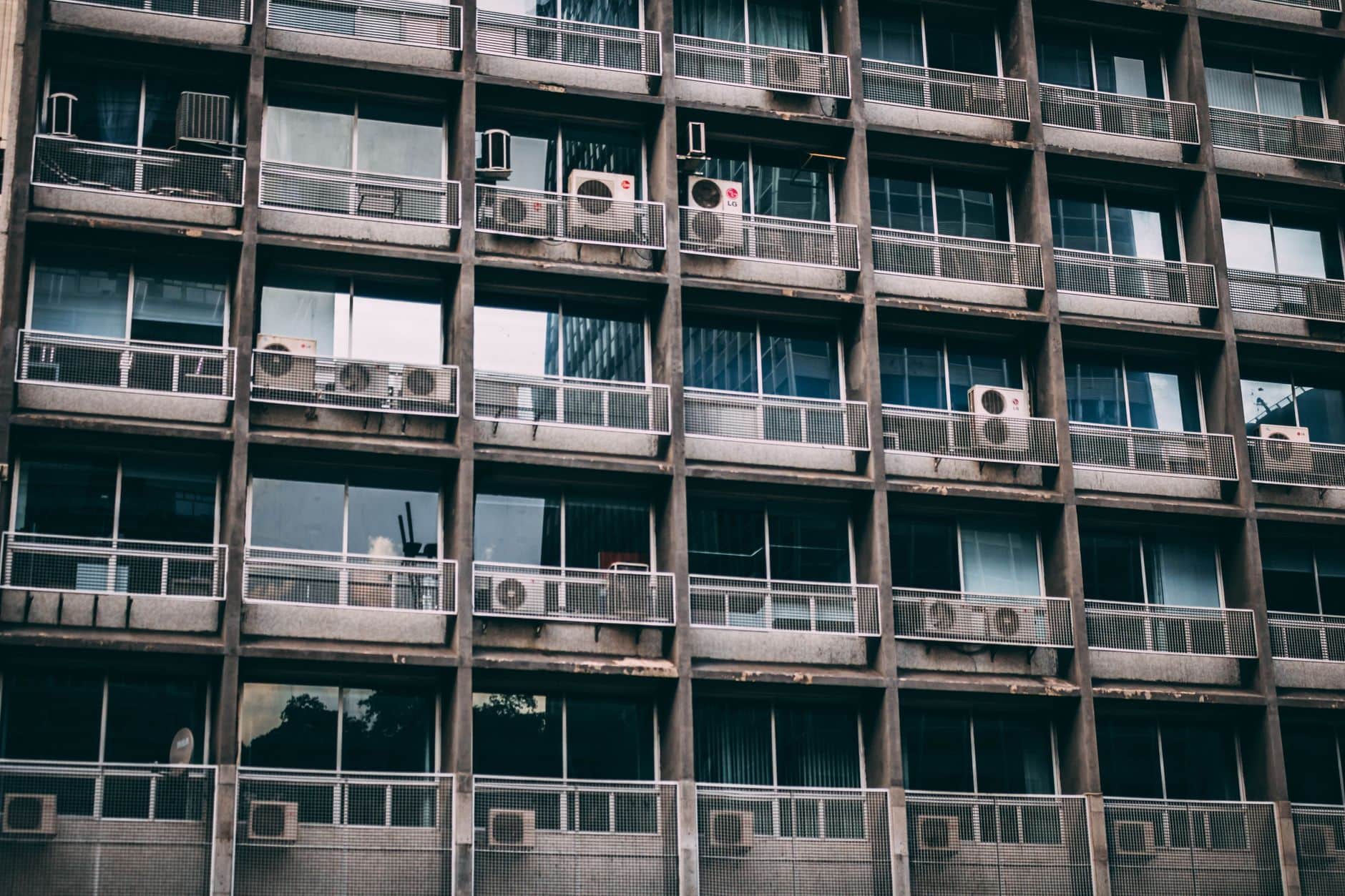
In a stand-alone villa you can mount an outdoor unit almost anywhere. In a Koh Samui condo, the outdoor unit sits on a shared facade, a common balcony ledge, or a service shaft that your neighbours also use. That's why nearly every juristic office here has written rules covering AC installation, and why skipping them causes real problems later - not just paperwork headaches.
The rules exist for three practical reasons:
- Noise and vibration travel through shared concrete structures
- Condensate dripping from a badly placed unit lands on someone else's balcony or window
- A visible jumble of units on the building face looks bad and can affect resale value for everyone
What the Juristic Office Usually Asks For
Most buildings on the island require some combination of:
- A written request before installation, often with a simple drawing or photo showing where the unit will sit
- Use of the designated AC ledge or bracket zone for your unit type (many buildings only allow specific brackets, not custom steel frames)
- A condensate drain line routed to the building's drain stack, not dripping onto a lower floor
- Installation during daytime hours on weekdays, since drilling and bracket work is noisy
- Sign-off from the technician or company confirming the unit matches approved BTU limits for that room type
Some buildings also cap the number of outdoor units per unit owner, or require a specific paint colour on brackets to match the facade. It varies a lot between buildings - a beachfront low-rise and a hillside condo tower often have very different standards.
Where You Usually Can - and Can't - Mount the Unit
Approved spots are almost always:
- A dedicated AC ledge built into the structure
- A wall-mounted bracket in a zone the building has designated for units
What gets rejected almost everywhere:
- Units hanging over a neighbour's window or balcony
- Units mounted where vibration transmits directly into a shared bedroom wall
- Custom frames that extend past the building's outer line (a safety and facade issue)
If your condo layout doesn't have an obvious bracket zone, ask the juristic office before buying equipment. It's far cheaper to find out the sizing or position needs to change on paper than after the unit is already on the wall.
Getting Approval Before You Install
The simplest path on Koh Samui:
- Check your condo's house rules or ask the juristic office directly what AC installation requires
- Get a quote and unit recommendation from a technician familiar with condo installs
- Submit the request with unit specs and planned location
- Schedule the install for an approved time slot
We can usually visit the same day to assess a condo unit, measure the room, and tell you realistically what will pass approval before you commit to buying equipment.
Common Problems When Rules Get Skipped
We get called in often after someone installed without checking first. The usual outcomes:
- The juristic office orders the bracket relocated, meaning a second round of drilling and a second bill
- A condensate line left unrouted drips onto a neighbour's unit, leading to a formal complaint and sometimes a liability claim
- Noise complaints force a unit to be unmounted and reinstalled with vibration dampers
All of this costs more than asking first.
If You're Renting, Not Owning
Tenants should not install or modify an AC unit without the landlord's written consent, since the landlord deals with the juristic office, not you. If your rental unit's AC is already poorly placed or noisy, raise it with the landlord rather than adjusting the bracket yourself - unauthorised changes can become a deposit dispute.
Our Advice
If you're buying a condo unit and planning any AC work, talk to the juristic office first and bring in a technician who already knows that building's standard setup - many buildings on Samui have one. It saves a round of rework and keeps things straightforward with your neighbours.
We don't offer a warranty on installs, but we do stand behind the work and come back if something's wrong. Payment is cash, Thai QR (PromptPay), or crypto. If you want a technician to check your condo's requirements and quote the job, book a technician.