
AC Not Cooling in Koh Samui? Why 'Just Add Gas' Isn't the Whole Story
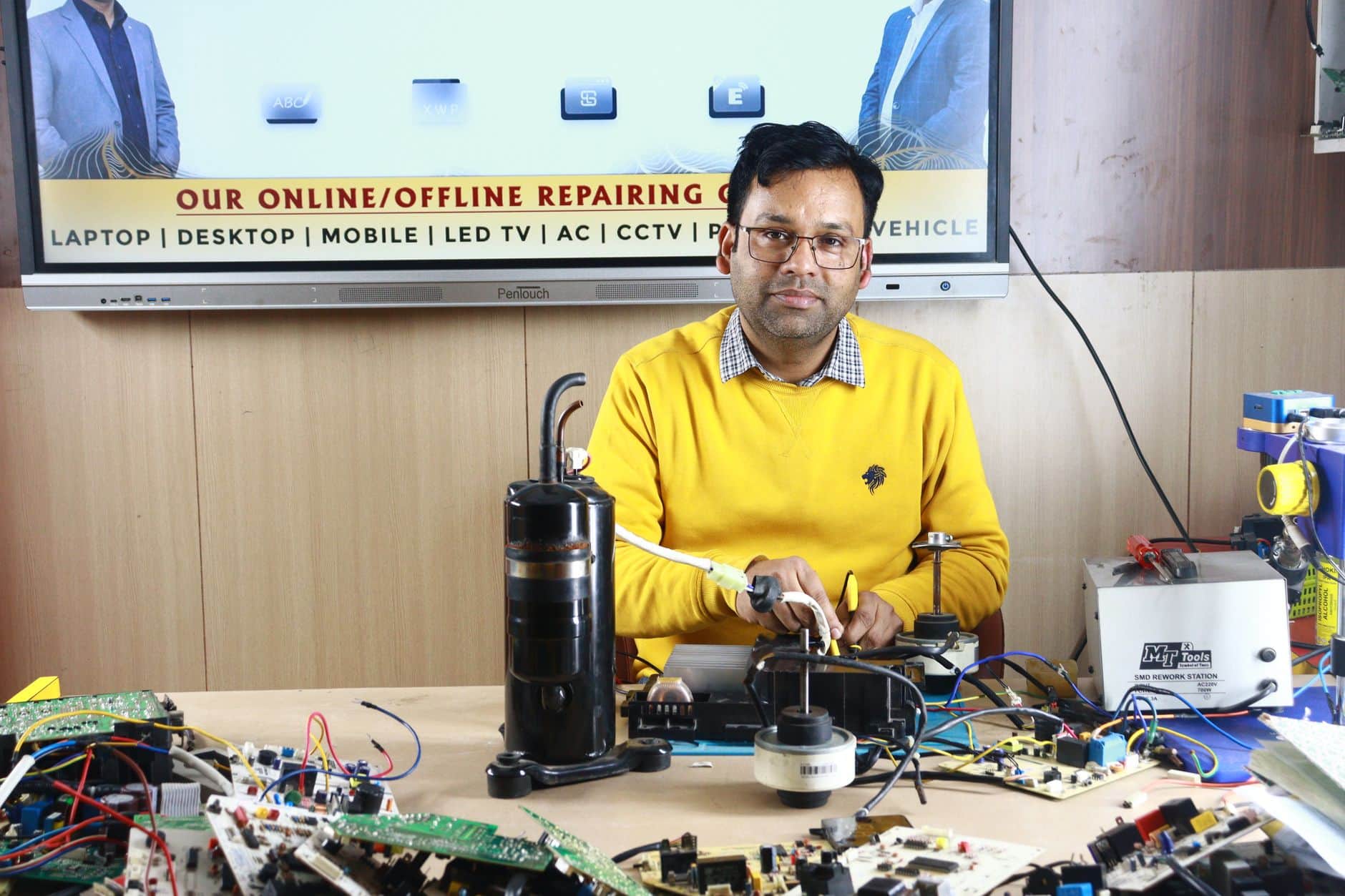
AC not cooling on Koh Samui: the real causes behind warm air
A unit running non-stop but not cooling the room is one of the most common calls we get, especially during the hottest months. The instinct is always the same: "it needs more gas." In reality, a genuine refrigerant leak is only one of several possible causes — and often not the most likely one.
Refrigerant is a closed system. Unlike a car, a healthy AC does not consume gas over time. If your unit is low on refrigerant, gas went somewhere — a leak at a joint, a corroded coil, or a damaged pipe (more common near the coast, where salt air eats through copper and aluminum faster than inland). Simply topping up gas without finding and fixing the leak means you'll be back to warm air again within weeks or months, having paid for gas that leaked straight back out.
What actually causes warm air more often than low gas
Before assuming it's refrigerant, these are the causes we find more frequently in Samui homes and villas:
- Dirty filters and blocked coil — dust and humidity turn into a sticky film on the indoor coil, cutting airflow and cooling capacity dramatically. This alone accounts for a large share of "not cooling" calls.
- Dirty outdoor condenser — salt residue, leaves, and dust coat the outdoor unit's fins, so it can't reject heat properly. The compressor works harder for less cooling.
- Blocked drainage — if the condensate drain is clogged, some units trigger a safety mode that reduces cooling, alongside the leak itself.
- Failing capacitor or fan motor — the outdoor fan may be turning slowly or not at all, so heat isn't being expelled even though the compressor runs.
- Undersized or aging unit — a unit that was borderline on BTU for the room, or is simply old, struggles more in peak humidity and heat.
- Thermostat or sensor issues — sometimes the unit is cooling fine, but a faulty sensor makes the display or auto-shutoff behave incorrectly.
How to tell what's wrong before calling anyone
A few checks take five minutes and can save you a wasted visit:
- Check the filters. If you can't see through them held up to light, clean them first — this alone fixes a surprising number of "warm air" complaints.
- Look at the outdoor unit. If the fins are caked in dust, salt film, or leaves, that's likely restricting heat exchange.
- Check for ice on the indoor coil or pipes. Ice usually points to airflow or refrigerant issues, not something to fix yourself, but it tells the technician a lot.
- Listen to the outdoor fan. If it's not spinning, or spinning slowly, that's a fan motor or capacitor issue, unrelated to gas.
- Note how long the problem took to appear. Gradual weakening over months often means gas leak or dirty coils; sudden warm air is more often electrical or a blocked drain triggering shutdown.
Why a real diagnosis matters more than a quick top-up
A technician who tops up gas without checking pressures, coils, and drainage is treating a symptom. On Koh Samui, where units run nearly year-round and salt air accelerates wear, a proper visit should include checking refrigerant pressure against the manufacturer spec, inspecting both coils, testing the outdoor fan and capacitor, and confirming the drain is clear. If there is a leak, it should be located and sealed before any gas is added — otherwise the visit is just a temporary fix.
We don't offer a warranty on repairs, but we do same-day visits in most areas of the island, and we'll tell you honestly if the fix is a five-minute filter clean rather than a costly repair.
What to expect from a proper repair visit
- Pressure and temperature-split check on both indoor and outdoor sides
- Visual inspection of both coils and the outdoor fan
- Leak check if refrigerant is confirmed low
- Drainage check and clear if needed
- Clear explanation of the actual cause, in plain terms, before any work is charged
Prices depend on what's actually wrong — a filter clean or drain clear starts from a few hundred baht, while a refrigerant leak repair costs more depending on the leak location and gas type. We quote before starting any paid work.
Payment is cash, Thai QR/PromptPay, or crypto. If your AC has been running warm for more than a day or two, book a technician and we'll figure out the actual cause rather than guessing.