
Closed Windows and AC vs Mosquitoes and Dengue in Koh Samui: What Actually Works
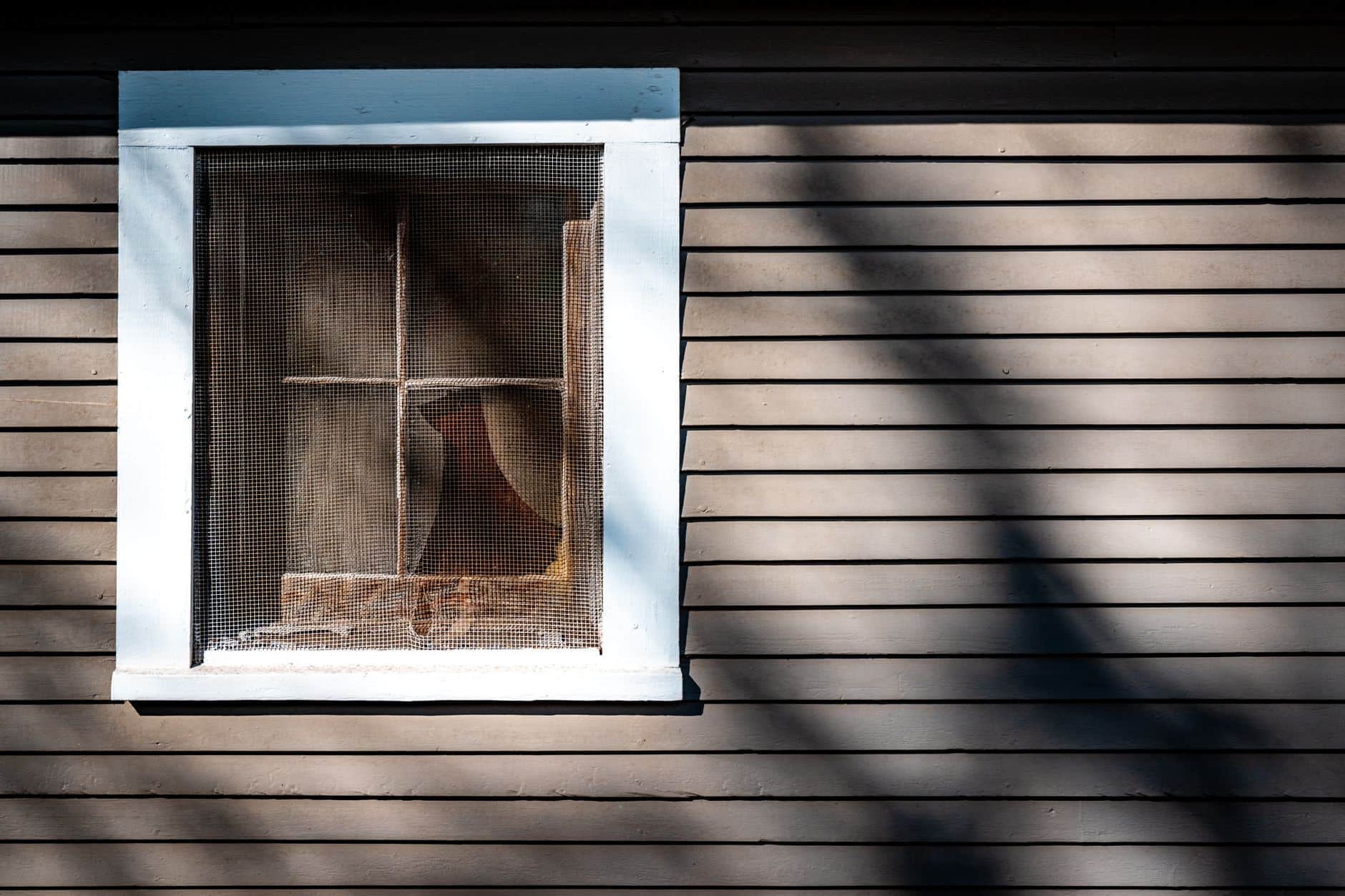
Closed windows and air conditioning to prevent mosquito bites and dengue in Koh Samui is a question almost every expat and villa owner asks after their first wet season here. Dengue is present year-round on the island, with spikes after heavy rain, and the advice to "just run the AC and keep windows shut" gets repeated a lot. It works, but only if the AC and the room are set up correctly.
Does it actually keep mosquitoes out?
Mosquitoes need an opening to get in. A tightly closed room with a working split AC removes their entry point almost completely — no gaps, no mosquito gets through. The problem is Samui homes rarely stay fully sealed:
- Door gaps under bedroom and bathroom doors
- Louvered bathroom windows left cracked for ventilation
- Gaps around pipe penetrations where the AC line set enters the wall
- Sliding doors to balconies that don't seat tightly after years of salt-air corrosion on the tracks
If any of these stay open even a little, mosquitoes find them, especially around dusk when Aedes mosquitoes (the dengue vector) are most active.
The trade-off nobody mentions
Sealing a room and running AC all night does reduce bites, but it creates a different problem: stale, re-circulated air in a humid climate is exactly what helps mold grow inside the indoor unit and on the coil. A unit that isn't cleaned regularly in a closed-up bedroom will:
- Spread musty, mold-laden air back into the room you're trying to protect
- Aggravate allergies and asthma, which matters more at night when the room is sealed
- Build up condensate faster, raising the chance of drips or leaks
So "closed windows plus AC" only makes sense as a health strategy if the unit itself is clean inside. A dirty AC in a sealed room can trade mosquito risk for a respiratory irritant.
What actually works, in order of effectiveness
- Physical barriers first. Door sweeps, fixed screens on any window that's ever cracked open, and sealing pipe penetrations around the line set cost very little and remove the gaps mosquitoes use.
- AC running, door and windows shut. Once the room is actually sealed, the AC on a timer from early evening through the night covers the hours Aedes mosquitoes bite most.
- Clean coil and filter. A clean unit keeps air genuinely fresh instead of just cool, and it also cools faster and cheaper.
- Empty standing water near the unit. The drain line, drip tray, and any saucer under the outdoor unit are common backyard breeding spots — more mosquitoes come from your own drain pan than from outside.
- Mosquito coils or repellent only as backup, for the hours before the room is sealed or if you're on a balcony.
A quick check for drainage and breeding spots
Since standing water around AC equipment is one of the most overlooked mosquito sources on the island:
- Check the condensate drain line isn't blocked and dripping into a tray that never dries
- Clear any debris sitting in the outdoor unit's drip pan after heavy rain
- Make sure the drain hose actually routes outside rather than pooling under a raised floor or deck
These take a technician a few minutes to check during a routine clean, but they're rarely mentioned unless you ask.## For rentals and villas with guestsIf you manage a rental, this is worth adding to a handover checklist: working door seals, a clean AC, and a drain line that isn't pooling water. Guests notice mosquito bites immediately and blame the room, even when the real issue is a gap under the bathroom door or a dirty filter recirculating a mold smell.## Bottom lineClosed windows and a well-maintained AC genuinely cut mosquito exposure and dengue risk in a Samui home, but the AC has to be sealed in, clean, and well-drained for it to be a net health benefit rather than a trade of one problem for another. If it's been a while since your unit was properly cleaned or you're not sure the drainage is working, book a technician for a check — same-day visits are common, and most jobs run from a few hundred baht depending on the unit and access.