
Aircon Warranty in Thailand: What's Actually Covered on Koh Samui
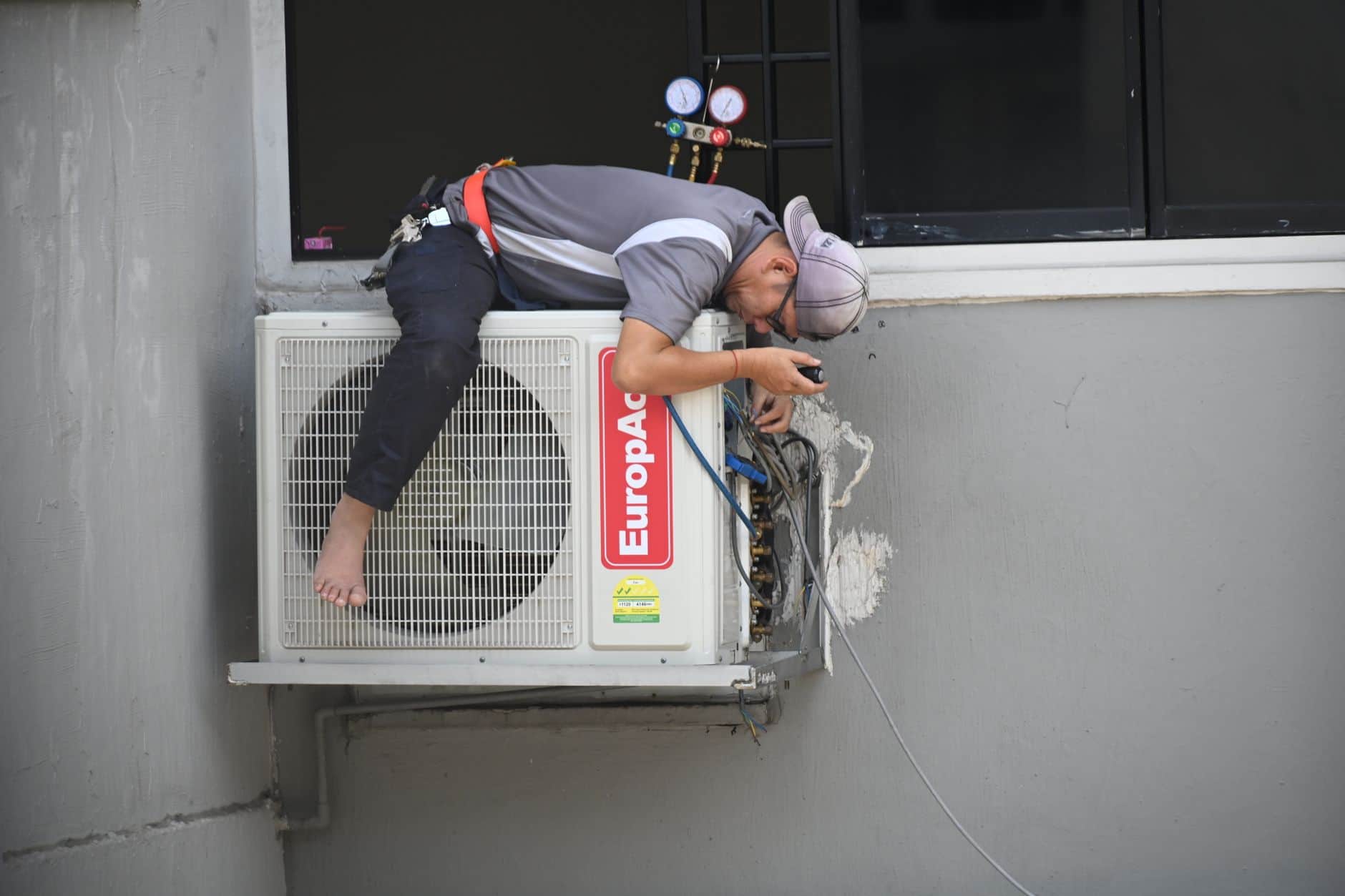
Searching for aircon warranty Thailand usually starts after something breaks and the owner realizes they never read the fine print. On Koh Samui, where units run nearly year-round in heat, salt air, and humidity, warranty terms matter more than in milder climates — and they're often narrower than people expect.
What Manufacturer Warranty Usually Covers
Most brands sold through official Thai distributors (Daikin, Mitsubishi Electric, Panasonic, LG) offer:
- 1 year on parts and labor, sometimes longer on the compressor (5–10 years is common for the compressor alone)
- Coverage for manufacturing defects — a compressor that fails from a factory fault, a PCB that dies without cause
- Free repair or replacement of the defective part, arranged through an authorized dealer
That's it. It's not a general "anything that goes wrong" promise, and it doesn't cover routine wear.
What It Almost Never Covers
This is where most claims get rejected, especially on an island like Samui:
- Corrosion damage. Salt air eats through outdoor unit fins and coils faster near the coast. Manufacturers treat this as environmental damage, not a defect, and routinely deny claims for corroded coils or rusted casings.
- Lack of maintenance. A unit that hasn't been cleaned in two years and fails from a clogged coil or blocked drain isn't treated as a warranty case — it's neglect.
- Damage from power issues. Voltage spikes during storms, generator switching, or bad wiring are excluded unless surge protection was installed beforehand and it's documented.
- Improper installation. If the unit wasn't installed by an authorized technician, or was moved or reinstalled later by someone else, the warranty is often void from that point.
- Refrigerant leaks from bent or crushed pipework, usually blamed on handling, transport, or a careless installer rather than the manufacturer.
Grey Market and Parallel-Import Units
A lot of AC units on Samui arrive through parallel importers rather than the brand's official Thai distributor, often cheaper upfront. The catch: local service centers frequently refuse warranty claims on parallel-import units because the serial number isn't registered in their system. Before buying, ask specifically whether the unit is sold through the brand's authorized Thai network — not just whether it's a "genuine" brand name.
Why an Independent Technician Not Offering a Warranty Isn't a Red Flag
Independent technicians — including us — typically don't offer a formal warranty on repair work, and that's worth explaining rather than hiding. A warranty is a manufacturer's commitment tied to their own parts and network; an independent repair uses your existing unit and often refurbished or third-party parts, so there's no factory backing it. What you should expect instead is straightforward, honest work: a technician who explains what failed and why, doesn't replace parts that don't need replacing, and comes back if the same problem returns.
How to Protect a Unit Either Way
Regardless of warranty status, a few habits matter more on Samui than almost anywhere else in Thailand:
- Keep the paperwork. Save the invoice, installation date, and technician's name — you'll need all three for any claim.
- Register the unit with the manufacturer soon after installation if that option exists; many warranties start from the registration date, not the purchase date.
- Schedule a proper chemical wash every 6–12 months. It's the single biggest factor separating units that last from units that fail early, warranty or not.
- Add surge protection before storm season if the property doesn't already have it.
- Avoid DIY refrigerant top-ups or unlicensed installers — both are common warranty-voiding shortcuts that cost more later.
When to Call the Manufacturer Instead of a Technician
If a unit is under active manufacturer warranty and clearly has a factory-side fault (a short-circuiting PCB, a dead compressor with no signs of corrosion or abuse), it's worth pursuing the claim first — it can save real money. For everything else — routine cleaning, drainage issues, noise, weak cooling from years of dust and salt exposure — an independent technician visit is faster, and on Samui, usually same-day.
We don't offer a manufacturer-style warranty on repairs, but we're upfront about that and about pricing before we start — from 1,200฿ for a standard service call, paid in cash, Thai QR-PromptPay, or crypto. If you're not sure whether your issue is a warranty case or a maintenance one, book a technician and we'll tell you honestly which it is.