
Why Your Ceiling Is Staining Near the AC Vent in Koh Samui
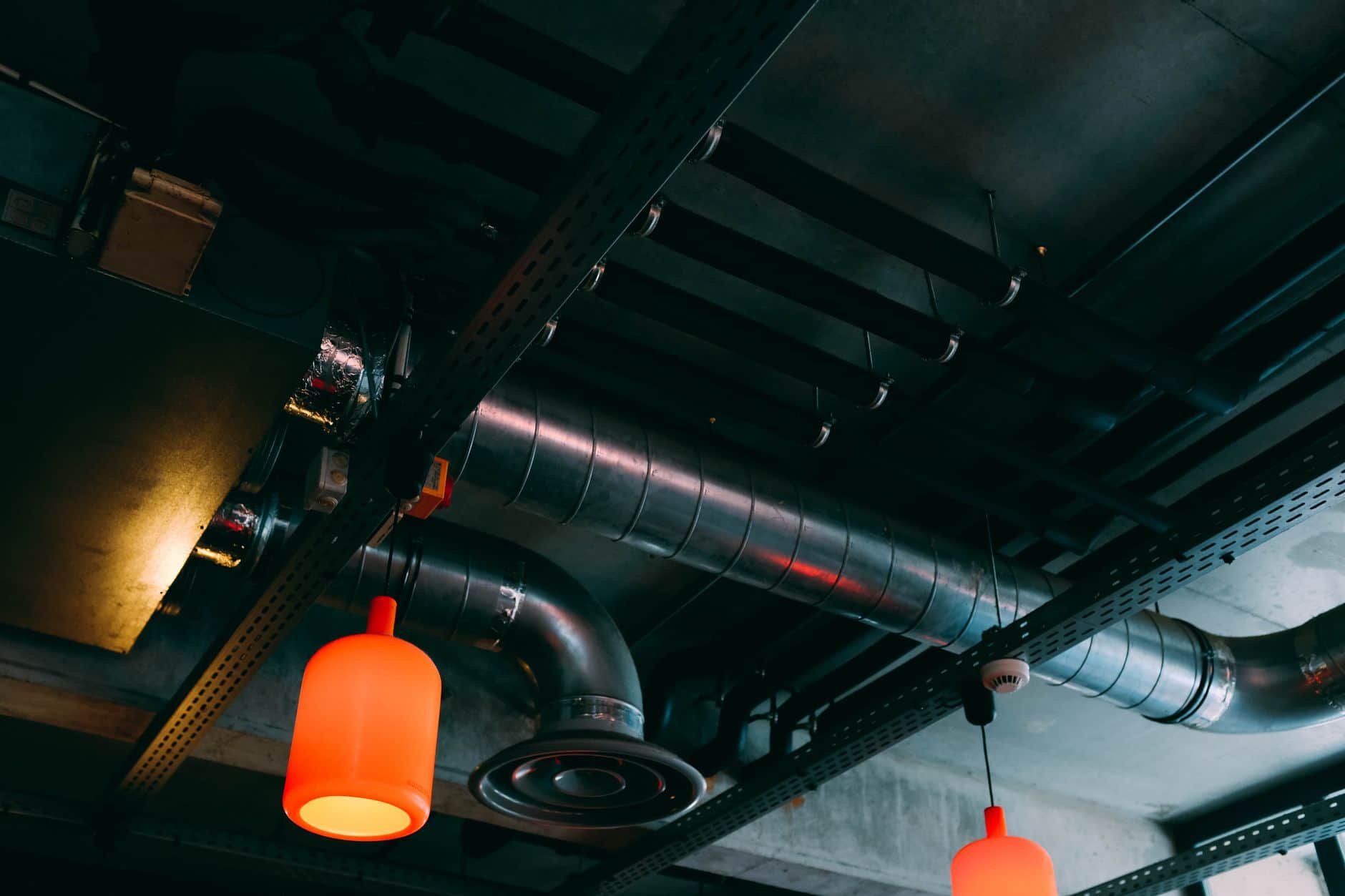
Why Samui's humidity turns vents into drip lines
You notice a damp patch spreading on the ceiling near the aircon, or a brown ring around the supply grille that keeps coming back no matter how many times you repaint it. The first guess is usually a leaking indoor unit. Sometimes that's right - but on Koh Samui, where outdoor humidity sits high almost year-round, a very different cause is just as common: condensation forming directly on cold ductwork, grilles, or the gap around the unit's casing.
If you're searching for why your AC vent sweats or your ceiling keeps staining in Samui, the answer usually comes down to temperature difference meeting humid air, not a broken part.
Three problems that look identical from below
Standing under the stain, all three causes look the same - a wet patch and a ring. They need different fixes:
- Vent/duct condensation - moist tropical air touches a cold metal surface (duct, grille, or poorly insulated casing) and water forms on the outside, dripping down exactly like a leak.
- Indoor unit drain leak - the condensate the AC produces inside isn't draining away properly and overflows the drain pan or disconnects from the drain pipe.
- Roof or structural leak - rainwater tracking along a beam or duct run and appearing near the AC purely by coincidence, worse during the rainy months.
A simple test: run the AC on cool for 30-40 minutes, then feel the duct or grille with a dry hand. If it's cold and wet to the touch, you're likely looking at condensation. If the area near the unit itself drips steadily while it's running and stops soon after you switch it off, suspect the drain. If the stain grows mainly during or after heavy rain regardless of whether the AC was on, it's worth checking the roof first.
What actually causes vent sweating
A few specific conditions push this from occasional to constant in Samui homes:
- Missing or thinning duct insulation - over the years insulation wrap compresses, gets chewed by pests, or was simply too thin for this climate to begin with.
- Gaps where ducts pass through a hot, humid ceiling void - any uninsulated metal section becomes a cold spot the moment the AC runs.
- Oversized or badly set systems - a unit that's too powerful for the room cycles the air very cold, making nearby surfaces colder than the humid air around them can tolerate without condensing.
- Blocked or poorly sealed grille edges - trapped moist air sits against the cold frame with nowhere to go.
- High indoor humidity from open doors, cooking, or drying laundry indoors, which raises the dew point the ductwork has to beat.
Quick checks before you call anyone
- Feel the duct and grille surface by hand while the AC runs - cold and damp points to condensation, not a drain fault.
- Look at the stain's shape. A ring that widens slowly over weeks, worse in rainy season, leans toward condensation or humidity; a sudden puddle appearing within minutes of switching the AC on points to drainage.
- Check whether the stain appears even when the AC has been off for days - if so, look at the roof and flashing, not the aircon at all.
- Open the ceiling void if accessible and look for bare, uninsulated duct sections near the stain.
When it's time for a technician
Duct insulation can be re-wrapped or replaced, grille frames can be resealed, and in some cases a slightly oversized system can be reset to run less aggressively - all straightforward fixes once the actual cause is confirmed rather than guessed at. We do same-day visits across Samui for exactly this kind of diagnosis, since cutting open a ceiling for the wrong reason wastes money and leaves the real problem untouched. There's no manufacturer-style warranty on this kind of repair work, but the fix itself is usually quick: re-insulating a duct run typically starts from 800฿, and a full inspection with a clear diagnosis is a low-cost way to stop guessing. Payment is by cash, Thai QR/PromptPay, or crypto.
If you'd like someone to check it properly before more ceiling paint gets ruined, book a technician.
Keeping the stain from coming back
- Re-insulate any duct section that's exposed to hot, humid roof-void air, not just the section nearest the visible stain.
- Keep indoor humidity down with the AC's dry mode on particularly wet days, and avoid drying laundry indoors under the unit.
- Have ducting and grilles inspected once a year, ideally before the rainy season, so insulation gaps get caught early.
- Don't oversize a replacement unit for the room - bigger isn't better here, and it increases the chance of cold-surface condensation elsewhere in the house.
A stain near the vent is annoying but rarely urgent. Figuring out which of the three causes it is before repainting saves you from painting over the same problem again in a few months.