
How to Use Your AC Timer the Right Way in Koh Samui
Why the Timer Function Matters More in the Tropics
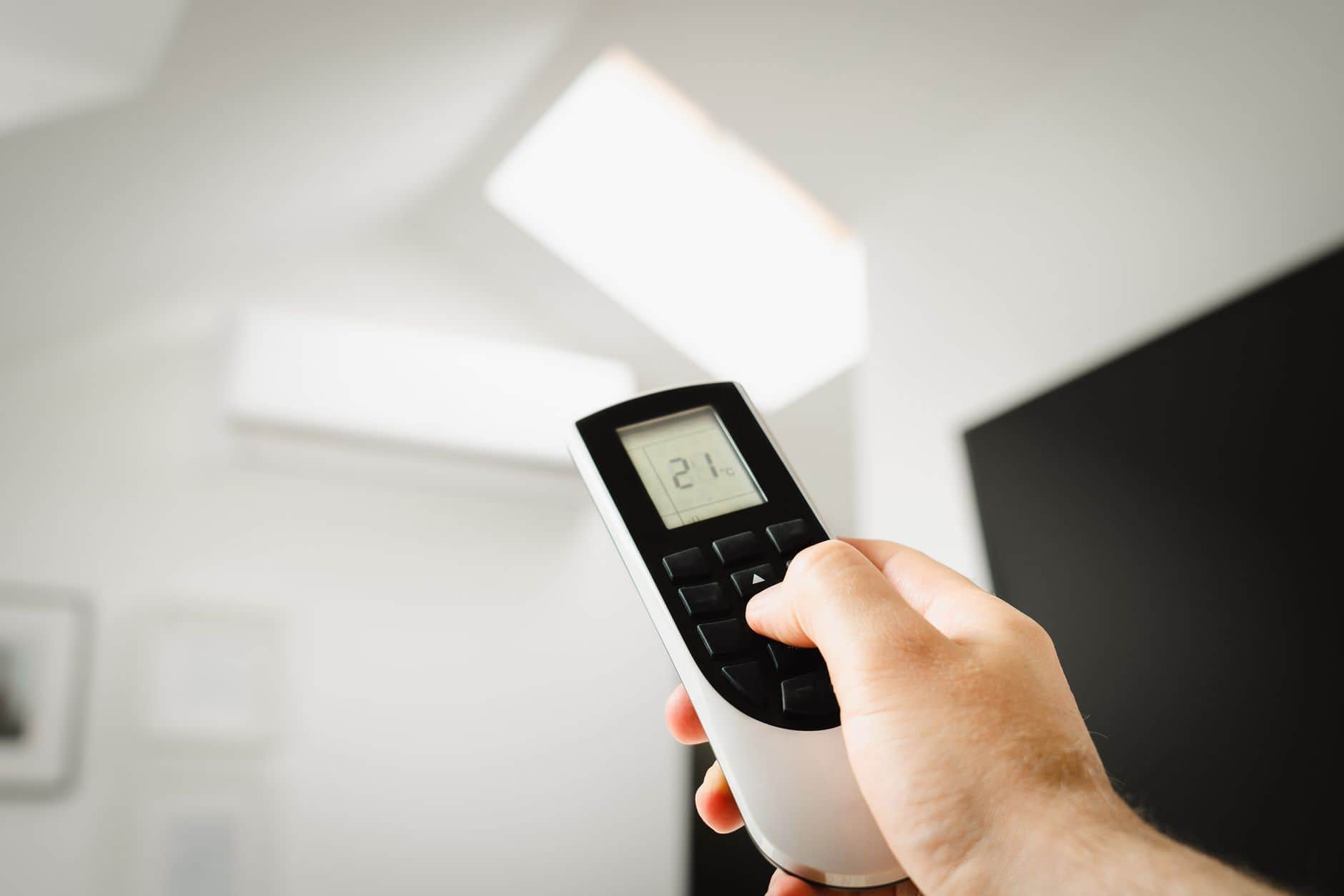
Most air conditioners sold on Koh Samui come with an on/off timer built into the remote, but very few owners use it well. In a temperate climate, timer mistakes just waste a bit of electricity. Here, they also let humidity climb straight back into the danger zone for mold, since indoor air can go from 55% to 75% relative humidity within an hour of the unit switching off.
Setting the timer correctly is less about the clock and more about matching it to how fast a tropical room re-humidifies and re-heats.
Setting a Pre-Cool Timer Instead of Blasting Cold Air
If you're coming home to a closed-up villa or condo at 5 or 6pm, don't rely on turning the unit on and setting it to the lowest temperature when you walk in. That spikes power draw and doesn't cool any faster on an inverter unit.
Instead:
- Use the timer's "on" function to start the AC 30–45 minutes before you arrive, at a normal setpoint (24–25°C).
- For non-inverter units, a slightly longer lead time (45–60 minutes) gives a gentler, more efficient pull-down.
- Avoid setting it hours in advance "just in case" — an empty room cooling for 3 hours before anyone is in it is pure waste.
The Sleep Timer Trap: Why Turning Off at 2 AM Backfires
A lot of guests and homeowners set the AC to shut off automatically 2–4 hours into sleep to save power overnight. In most climates this is fine. On Samui, it often means waking up in a sticky, humid room by sunrise, because outdoor humidity pushes back into the space as soon as cooling and dehumidifying stop.
Better options:
- Use "dry" (dehumidify) mode for the second half of the night instead of switching off completely — it uses less power than full cooling but keeps humidity down.
- If you do use a sleep-off timer, pair it with a ceiling fan to keep air moving and reduce the clammy feeling.
- On units with a smart sleep mode (temperature gradually rises 1–2°C over a few hours), use that instead of a hard cutoff — it's built for exactly this problem.
Villa and Rental Turnover: Scheduling Between Guests
For villa managers and Airbnb hosts, timers matter for a different reason: an empty, sealed unit with the AC off for days is one of the fastest ways to grow mold on the coil and in the ducting, especially during rainy months.
A simple schedule that works well between guest stays:
- Run the AC in dry mode for 1–2 hours daily even when the property is empty, rather than leaving it fully off.
- Set a pre-cool timer 2 hours before every check-in, not just on the day of.
- Log which units get switched off between bookings, so cleaning staff know which rooms need a mold check before the next guest arrives.
Timer vs Smart Wifi Control
A basic remote timer works, but it resets every time the unit loses power (common during Samui's storm season) and can't react to weather. If you're managing more than one or two rooms, or a rental property, a wifi controller lets you:
- Restart schedules automatically after a power cut, instead of leaving the timer blank until someone notices.
- Adjust remotely if a booking changes or bad weather is forecast.
- Track run-time per unit, which is useful for planning cleaning intervals.
It's an added cost, but for absentee owners it usually pays for itself in avoided mold callouts and lower idle running time.
Common Timer Mistakes We See on Service Calls
- Timer set once, years ago, and never adjusted for changed routines or a new season.
- Both an "on" and "off" timer set for the same time by mistake, which just leaves the unit running continuously.
- Relying on a full 24/7 off-timer while away for weeks, which lets the coil and filter build up dust and, in humid stretches, mold — start it back up gradually rather than full blast on return.
- Assuming a timer problem is actually a remote or capacitor fault — if the schedule stops holding entirely, that's usually electrical, not a settings issue.
When a Timer Won't Fix It
If you've set a sensible schedule and the room still doesn't cool down in the expected window, or humidity stays high no matter what mode you use, the timer isn't the problem — it's more likely a low refrigerant charge, a blocked filter, or a drainage issue. No timer setting compensates for a unit that isn't running efficiently to begin with.
If your schedule isn't behaving the way it should, book a technician to check the actual cooling and drainage performance rather than adjusting the remote further.