
Does the AC Self-Clean Function Actually Work in Koh Samui?
Does the AC Self-Clean Function Actually Work in Koh Samui?
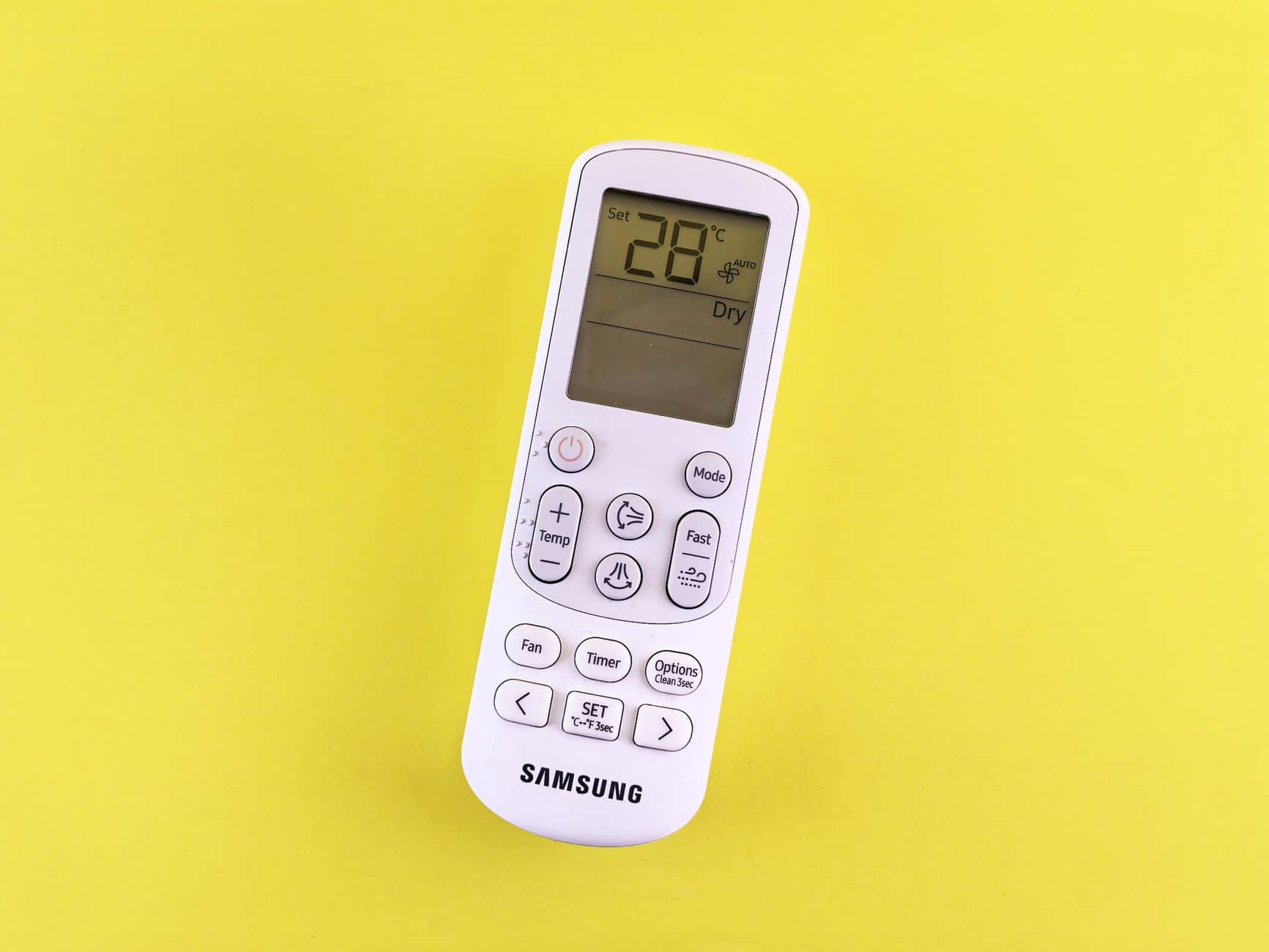
Most new split units sold here now come with a "self-clean" or "auto-clean" button on the remote. It sounds like it should solve the mold problem that every AC in a tropical climate eventually gets. It helps, but not as much as the marketing suggests, and it's easy to end up skipping real maintenance because the light on the remote makes you feel like the unit is already clean.
What the Self-Clean Function Actually Does
When you trigger self-clean, the unit runs a set cycle:
- Cools the evaporator coil to a low temperature so moisture collects on it
- Runs the fan to dry the coil out over 30–60 minutes
- Sometimes runs a light freeze-and-thaw cycle to flake off surface dust
The idea is simple: mold and bacteria need moisture to grow, so drying the coil after every cooling session should slow them down. On paper, that's correct.
Why Koh Samui's Climate Pushes It to Its Limits
Self-clean was designed for climates where the air itself isn't already saturated. On Koh Samui, ambient humidity often sits at 75–90% for months at a time, especially April through November. A 30–60 minute fan cycle can dry the coil surface, but:
- It doesn't reach dust and biofilm already stuck between the fins
- It does nothing for the drain pan, drain line, or filter
- Units that run nearly year-round build up organic residue faster than the cycle can keep up with
- Salt-laden air near the coast adds a sticky film that self-clean can't shift
We open up units with self-clean running weekly and still find black buildup on the fins and a slimy drain pan. The function reduces the rate of buildup, it doesn't stop it.
What Self-Clean Can Handle
Used consistently, it's genuinely useful for:
- Reducing the musty smell that builds up after a few days with the AC off (common when a villa sits empty)
- Slowing mold growth on the coil surface between proper cleanings
- Keeping the unit smelling fresher day to day
If you already run a good maintenance schedule, self-clean is a solid habit to run after long cooling sessions or before switching the unit off for a trip.
What It Cannot Replace
Self-clean cannot:
- Remove dust and mold already embedded in the fins — that needs a proper chemical wash
- Clean the blower wheel, which collects a thick layer of gray fuzz that a fan cycle can't touch
- Clear a clogged drain line, which is one of the most common causes of leaks here
- Wash the filters — those still need to come out and be rinsed every 2–4 weeks in this climate
If a unit smells musty even with self-clean running regularly, that's usually a sign the coil, blower, or drain needs a hands-on clean, not more auto-cycles.
How to Use Self-Clean Properly
- Run it after any session longer than a few hours, especially before turning the unit off
- Don't treat it as a substitute for pulling and rinsing the filters
- Still book a proper chemical wash on a normal schedule — every 3–4 months for daily-use units in Koh Samui's climate, more often for units near the beach or in a bedroom used every night
Signs You Need a Real Service Instead of the Auto-Cycle
- Musty smell on startup that self-clean doesn't fix within a day or two
- Visible dust or black spots around the vents
- Weaker airflow than before
- Water dripping from the indoor unit
- Anyone in the room reporting stuffiness, sneezing, or a scratchy throat that clears up when they leave the room
Self-clean is a good daily habit, not a maintenance plan. In a climate like Koh Samui's, a real wash on a schedule is still what keeps a unit clean and the air actually healthy. If it's been more than a few months, book a technician for a proper check and chemical wash.