
Aircon Low on Gas? What a Refrigerant Top-Up Actually Fixes on Koh Samui
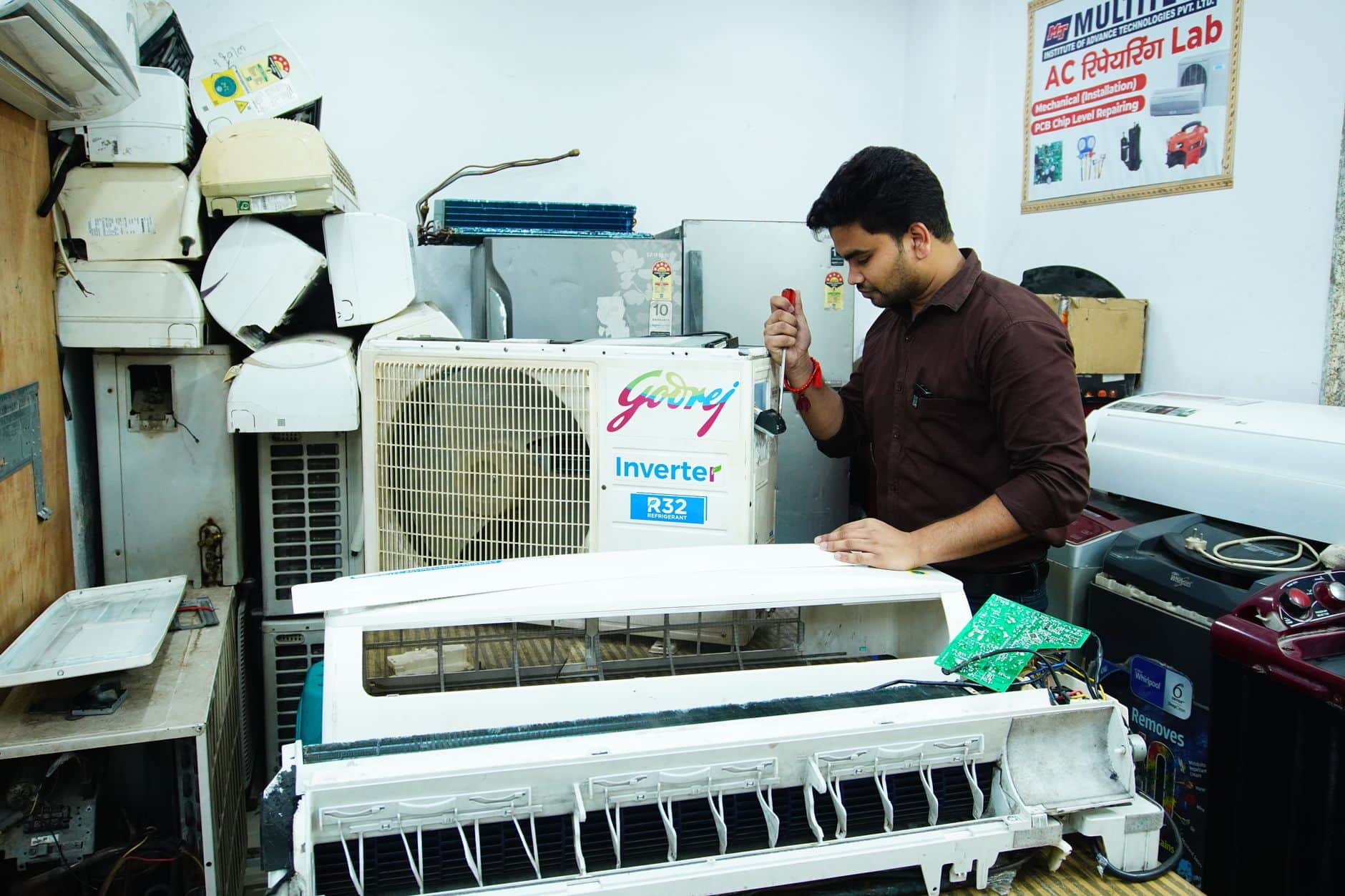
Almost every villa owner on Koh Samui has heard the same diagnosis for a warm-blowing aircon: "it's low on gas, needs a top-up." It's the fastest thing for a technician to say and the fastest job to bill. But refrigerant in a split system sits in a sealed, closed loop — it doesn't get "used up" the way fuel does. If a unit is genuinely low on gas, there is a leak somewhere, and topping it up without finding that leak just means paying for the same visit again in a few months.
Why "just add gas" is the default answer
A quick top-up takes fifteen minutes and the aircon blows cold again immediately, so it feels like a fix. It usually isn't one. A correctly charged, leak-free system should never need refrigerant added between proper services. If someone offers a top-up without first checking for a leak, that's worth questioning before you agree to it.
What actually causes a real refrigerant leak
Koh Samui's climate and coastal air push leaks along faster than in drier, cooler places:
- Corroded copper pipework, especially in units within a kilometre or two of the sea, where salt air eats through thin copper over a few years
- Worn or loosened flare fittings at the joints, often from vibration in older or poorly mounted outdoor units
- Pinhole leaks in the indoor coil, accelerated by constant humidity and mold buildup on the fins
- Physical damage to the outdoor line set from renovation work, gardening tools, or careless pressure washing
Signs it's genuinely low on gas
- Ice forming on the indoor coil or the copper pipes, even though the unit is running at full power
- A faint hissing sound near the indoor or outdoor unit
- Cooling that fades gradually over days or weeks, rather than stopping suddenly
- The outdoor compressor runs constantly but the air never gets properly cold
When it's probably NOT the gas
These cause the same symptom — warm air — far more often in Samui's dust and humidity:
- A dirty filter or blocked evaporator coil restricting airflow, which is by far the most common cause here
- Condenser fins on the outdoor unit clogged with salt residue and dust
- A unit that was undersized for the room from the start (a BTU mismatch)
- A faulty thermostat sensor, or simply the wrong mode selected on the remote
- Closed or obstructed vents on ducted or cassette systems
What a proper repair should include
A technician who actually fixes the problem, rather than papering over it, will:
- Pressure test the system to find where the leak is
- Repair or reseal the leak point itself
- Vacuum the line to remove moisture and air before recharging
- Weigh in the correct refrigerant charge for your specific model
- Retest cooling performance before finishing the job
If a service only ever offers to "top up and see how it goes," and that keeps happening every few months, you're paying repeatedly for a problem that was never actually fixed.
Cost expectations on Koh Samui
Prices vary with leak location and refrigerant type (R32 systems and older R22 systems are priced differently), but as a rough guide: a simple top-up without leak repair starts from around 800฿, though it will likely need repeating. A full diagnosis with leak repair and recharge typically starts from about 2,500฿. We don't offer a warranty on repairs, but same-day visits are common across the island, and payment is accepted in cash, Thai QR-PromptPay, or crypto.
Bottom line
If your aircon is blowing warm air, don't assume it's just low on gas. Ask for a leak check before agreeing to a top-up — it's the difference between fixing the problem once and paying for the same visit every rainy season. If you want it looked at properly, book a technician and we'll diagnose the actual cause before touching the refrigerant.