
Refrigerant Pipe Length Limits for Air Conditioners on Koh Samui
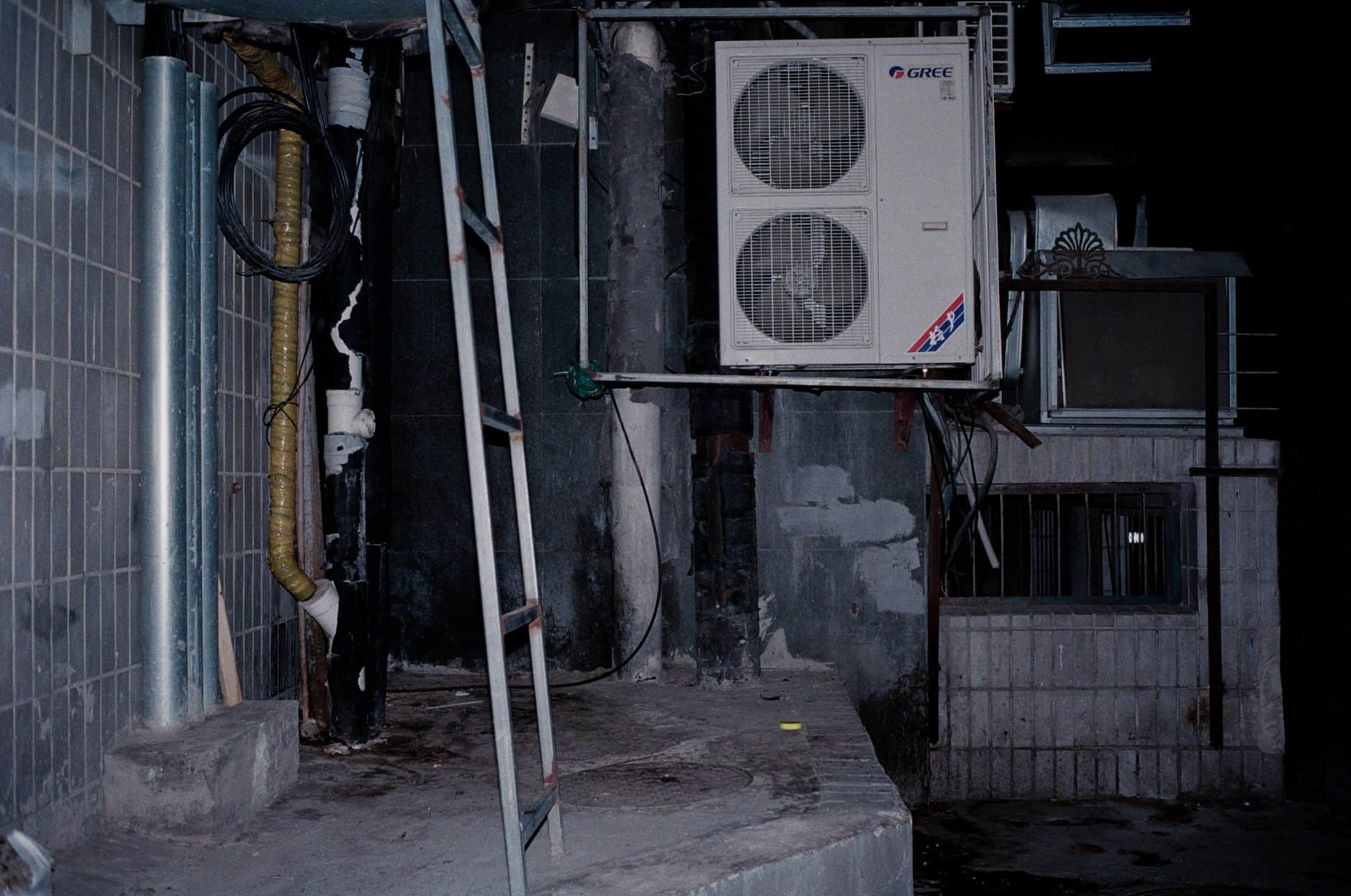
Refrigerant pipe length limits for air conditioners on Koh Samui
Many homes on Koh Samui are built into slopes, with sea views that put the best room far from where the outdoor unit has to sit. That often means a much longer copper pipe run than a typical flat-ground installation, and it changes how the system should be sized and installed. Pipe length is not just a cosmetic detail - it directly affects cooling power, electricity use, and how long the compressor lasts.
Why length and elevation matter
Every split AC unit is rated for a maximum pipe length and a maximum vertical height difference between the outdoor and indoor unit. These numbers come from the manufacturer, not the installer's habit. Go past them and a few things happen:
- The compressor has to work harder to push refrigerant through the extra distance, raising running costs
- Oil return to the compressor gets harder on long vertical rises, risking long-term compressor wear
- Cooling capacity drops, so a unit that should cool a room in 15 minutes takes twice as long
On Samui, a common scenario is an outdoor unit mounted at ground level or on a lower terrace while the indoor unit serves a bedroom two floors up with a sea view. That vertical lift matters more than most people realize - most residential systems have a stricter limit on height difference than on total horizontal length.
How long is too long
As a rough guide for standard residential split systems:
- Most manufacturers allow pipe runs up to around 15-25 meters depending on the model and capacity
- Vertical height difference is usually limited to around 10-15 meters
- Beyond these figures, many manufacturers require additional refrigerant charge, a larger pipe diameter, or an oil trap at intervals on vertical runs
These are general ranges - the actual limit is printed on the specific unit's installation manual, and it varies between brands and between standard and inverter models.
What happens when installers skip the extra steps
On a tourist island where villas get built quickly, it's common to see units installed with the minimum pipe length that happens to reach, without the extra refrigerant charge or oil trap the manual calls for. The system still turns on and blows cold air at first, so the shortcut isn't obvious. Months later, the typical complaints are:
- Cooling that used to be strong but has gradually weakened
- A compressor that runs constantly without the room ever reaching set temperature
- Ice forming on the pipe near the indoor unit despite normal-looking filters
- A compressor failure well before the unit's expected lifespan
By the time any of this shows up, re-doing the pipework usually means opening walls or ceilings again, which is far more disruptive and expensive than getting it right at install time.
What a correct long-run installation looks like
If your villa needs a pipe run longer than the short, straight path, a few things should happen at installation:
- The technician checks the manufacturer's maximum length and height specifications for that exact model before quoting the job
- Pipe diameter may need to step up for longer runs to keep refrigerant velocity correct
- Extra refrigerant is weighed in to compensate for the added pipe volume, not just topped up by feel
- On vertical runs, an oil trap (a U-bend in the pipe) is added at set intervals so compressor oil doesn't pool and starve the compressor
- The line set is insulated along its full length, which matters even more over long runs in Samui's humidity, since any gap becomes a condensation point
Checking an existing installation
If you're buying a villa, renting long-term, or just inheriting a system installed by a previous owner, it's worth asking a technician to check the pipe run length and condition, especially if the outdoor and indoor units are on different levels or far apart. A quick inspection of the line set, insulation, and refrigerant pressure can tell you if the original installation respected the limits or cut corners.
What this means for you
Long pipe runs aren't a problem by themselves - they're common on this island and perfectly workable when sized correctly. The issue is always a rushed installation that skips the extra charge, trap, or diameter check the manufacturer requires. If your AC is losing cooling power over time, runs constantly, or you're planning a new install in a villa with a long distance between units, it's worth getting it checked properly rather than guessing. If you'd like us to take a look, you can book a technician for an inspection or a new installation sized correctly for your villa's layout.