
Why AC Refrigerant Pipes Sweat and Drip in Koh Samui (Insulation Failure Explained)
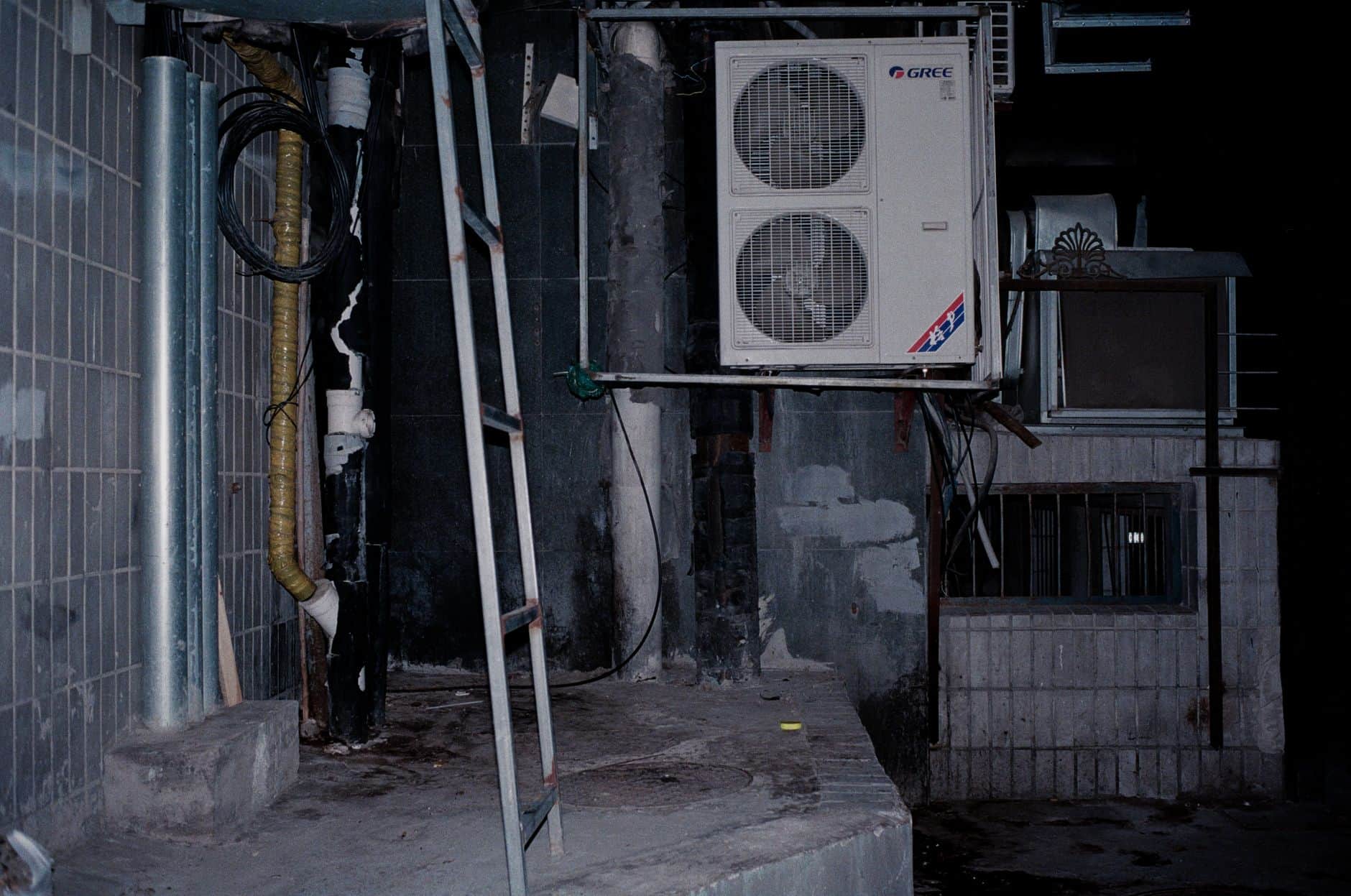
AC Pipe Insulation Sweating in Koh Samui
If you see water stains tracking along the wall where the copper line set runs between the indoor and outdoor unit, or a patch of mold blooming exactly along that path, the usual cause isn't a leak in the system — it's the foam insulation wrapped around the refrigerant pipes breaking down. On Koh Samui, with near-constant humidity above 70% and units running most of the year, this happens faster than owners expect, often within 3-5 years on cheaper installs.
Why It Fails Fast Here
The copper suction line carries cold refrigerant gas back to the outdoor unit. Foam insulation (lagging) wraps it to stop that cold pipe from meeting warm, humid air and "sweating" the way a cold glass does outdoors. In this climate, insulation is under constant stress:
- UV exposure on any exposed outdoor run breaks foam down within a couple of years
- Cheap thin-wall insulation (common on budget installs) was never rated for tropical humidity
- Gaps at joints, bends, and where the pipe passes through a wall let humid air reach the cold copper directly
- Rats and insects chew into foam runs behind walls or in ceiling voids, opening small tears that grow
Once there's a gap, condensation forms continuously on the exposed copper for as long as the compressor runs — which in a Samui home is most of the day.
Signs Your Lagging Has Failed
- A damp patch or drip point on a wall or ceiling that follows the pipe route, not the indoor unit itself
- Mold or a dark stain forming in a straight line rather than a blob
- The pipe run outdoors feels wet or has visible cracked, brittle, or missing foam
- Musty smell in a room even when the drain line and drain pan are clean
- The unit cools less efficiently than it used to, with no error code
It's easy to confuse this with a clogged drain pan or condensate pump problem, since both produce water where they shouldn't. The difference is location: drain issues show up right under or near the indoor unit; insulation failure shows up anywhere along the pipe's path, including outside walls or in a ceiling void far from the unit.
Why This Isn't Just Cosmetic
A sweating line loses cooling capacity because the refrigerant absorbs heat from the air around the pipe instead of just from inside the room — the compressor works harder for the same result, and electricity bills creep up. Left long enough, trapped moisture behind a wall or in a ceiling cavity feeds mold growth that's far more expensive to remediate than the pipe insulation itself. In a rental villa, that mold smell is often the first thing a tenant complains about.
DIY Checks vs When to Call a Pro
You can safely check the outdoor-visible section of the line set yourself:
- Look for foam that's cracked, sun-bleached, or peeling away from the copper
- Feel for cold, wet copper through a gap in the wrap
- Check around the wall penetration point for gaps sealed only with old tape or nothing at all
What you shouldn't do yourself: open a wall or ceiling to inspect hidden pipe runs, or attempt to rewrap pipes without releasing refrigerant pressure safely. A technician can pressure-test the line, replace degraded insulation with closed-cell foam rated for outdoor UV exposure, and reseal wall penetrations properly — usually in a single visit.
Cost and Prevention
Re-lagging an exposed outdoor run typically starts from 800฿ depending on pipe length and access; repairs behind a wall cost more due to the opening and patching involved. To avoid repeat failures:
- Ask for UV-stabilized, closed-cell foam insulation on any new install, not the cheapest option
- Add a protective PVC or aluminum duct cover over any exposed outdoor pipe run
- Have the pipe insulation checked as part of routine servicing, not just the coils and filters
We don't offer a warranty on parts or labor, but we do same-day visits across the island and take cash, Thai QR/PromptPay, or crypto. If you're seeing damp patches or mold tracking along a wall near your AC lines, book a technician to check the insulation before it becomes a bigger repair.