
Does Your AC Outdoor Unit Need Shade in Koh Samui's Sun?
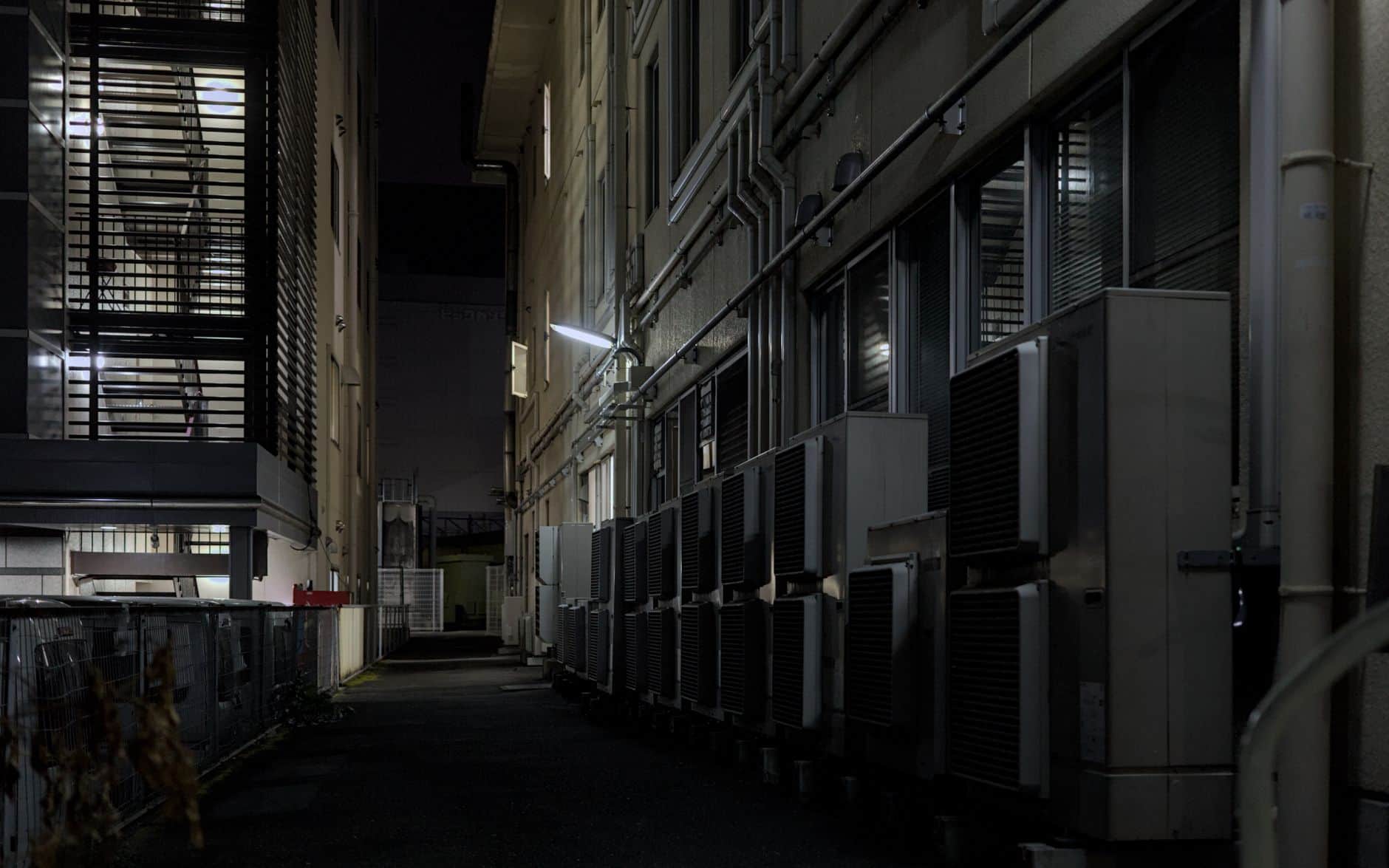
Walk around almost any villa or condo on Koh Samui and you'll see outdoor AC units bolted to a wall or sitting on a concrete pad, often with zero protection from the sun. Most owners never think about it until the unit starts struggling in the hottest part of the day. Sun exposure is a real factor here, not a minor cosmetic issue.
Why Sun Exposure Matters for Your Outdoor Unit
An outdoor condenser unit works by rejecting heat from inside your home into the outside air. Its coil and fan are designed to do that against ambient air temperature — but on Samui, ambient temperature in direct sun on a west-facing wall in the afternoon can run several degrees hotter than shaded air nearby. The hotter the air the unit has to dump heat into, the harder the compressor has to work to hit the same indoor temperature.
This isn't unique to cheap units. Even a good inverter system loses efficiency when its condenser coil is baking in direct sun for six or eight hours a day, especially units facing west that catch the harshest afternoon sun.
How Direct Sun Raises Your Bills
A compressor working harder to reject heat draws more current, plain and simple. Over weeks and months that shows up as a higher electricity bill, especially on units that run most of the day like in home offices, guest rooms, or villas with tenants who like it cold. It's rarely the biggest factor in a power bill — dirty coils and undersized units usually matter more — but it stacks on top of those problems rather than replacing them.
Sun Damage Beyond Efficiency
Heat and UV do more than slow the unit down:
- Plastic casings get brittle and crack faster under constant UV, especially on units that are already a few years old
- Rubber grommets and gaskets around wiring and pipe penetrations dry out and split, which can let rain in
- Paint and coatings on the coil fins fade and wear thinner, giving corrosion — already accelerated by salt air near the coast — an easier path in
- Capacitors run hotter inside a casing that's already sun-heated, and heat is the single biggest factor in shortening capacitor life
We've replaced capacitors on units barely three years old that sit in full afternoon sun on a west wall, next to identical units in shade still running fine after six or seven years.
Good Shade vs Bad Shade
Shading the unit helps, but only if it's done right. A few rules:
- Leave airflow room. The condenser needs air to move freely in through the sides and out the top. A shade structure that blocks airflow to protect from sun does more harm than the sun itself.
- Overhead is better than boxed-in. A simple roof or awning a foot or more above the unit blocks direct sun while letting air flow normally. Building a closet or cage around the unit is a common mistake — it traps hot air and the compressor overheats.
- Don't spray water on a hot unit to cool it. Some owners hose down the outdoor unit in the afternoon heat, but sudden temperature changes on electrical components and thermal shock to the coil aren't worth the small benefit.
- East or shaded walls are worth planning for at install time. If you're installing a new system, a technician can usually find a spot that gets morning sun only, or none at all, without adding much pipe run.
Quick DIY Checks
You can get a rough sense of whether sun is a real problem for your unit without any tools:
- Touch the wall behind the unit in mid-afternoon — if it's too hot to hold your hand on, the unit is dealing with the same heat
- Check if the unit is noticeably noisier or runs longer to reach set temperature on sunny afternoons compared to overcast days
- Look at the casing for fading, chalky discoloration, or hairline cracks, which point to years of UV exposure
When to Call a Technician
Shade alone won't fix a unit that's already struggling — if yours is short-cycling, tripping breakers, or not cooling well on hot afternoons, that's usually a sign of a separate issue like a dirty coil, low refrigerant, or a failing capacitor, and sun exposure is just making an existing problem worse. A technician can check the actual condition of the unit and tell you whether a shade structure is worth building or whether the real fix is a service or repair.
If you're planning a simple overhead shade for your outdoor unit, or want someone to check whether sun exposure has already taken a toll on yours, book a technician and we'll take a look.