
Best Place for Your AC Outdoor Unit in Koh Samui (And Spots to Avoid)
Best Place for Your AC Outdoor Unit in Koh Samui (And Spots to Avoid)
Most people choose an outdoor unit's location by convenience — wherever the wall or roof space happens to be. On Koh Samui, that shortcut costs money. Between year-round heat, salt-heavy air near the coast, and monsoon downpours, placement can be the difference between a compressor that lasts eight years and one that fails in three.
If your system is struggling, blowing warm air, or eating more electricity every year, the outdoor unit's spot is worth checking before you assume the refrigerant or compressor itself is the problem.
Why Placement Matters More Here Than Elsewhere
A condenser unit works by dumping heat from inside your home into the outside air. Three things specific to Samui make that harder:
- Constant heat load. Unlike seasonal climates, the unit never gets a real break, so any extra sun exposure compounds daily.
- Salt air. Anywhere within a kilometre or two of the coast, salt-laden humidity accelerates corrosion of the fins, coil and casing.
- Heavy rain and runoff. Monsoon downpours can flood a low-mounted unit or force water back into electrical components if drainage is poor.
Signs the Outdoor Unit Is Poorly Placed
- It sits in direct sun most of the afternoon with no shade at all
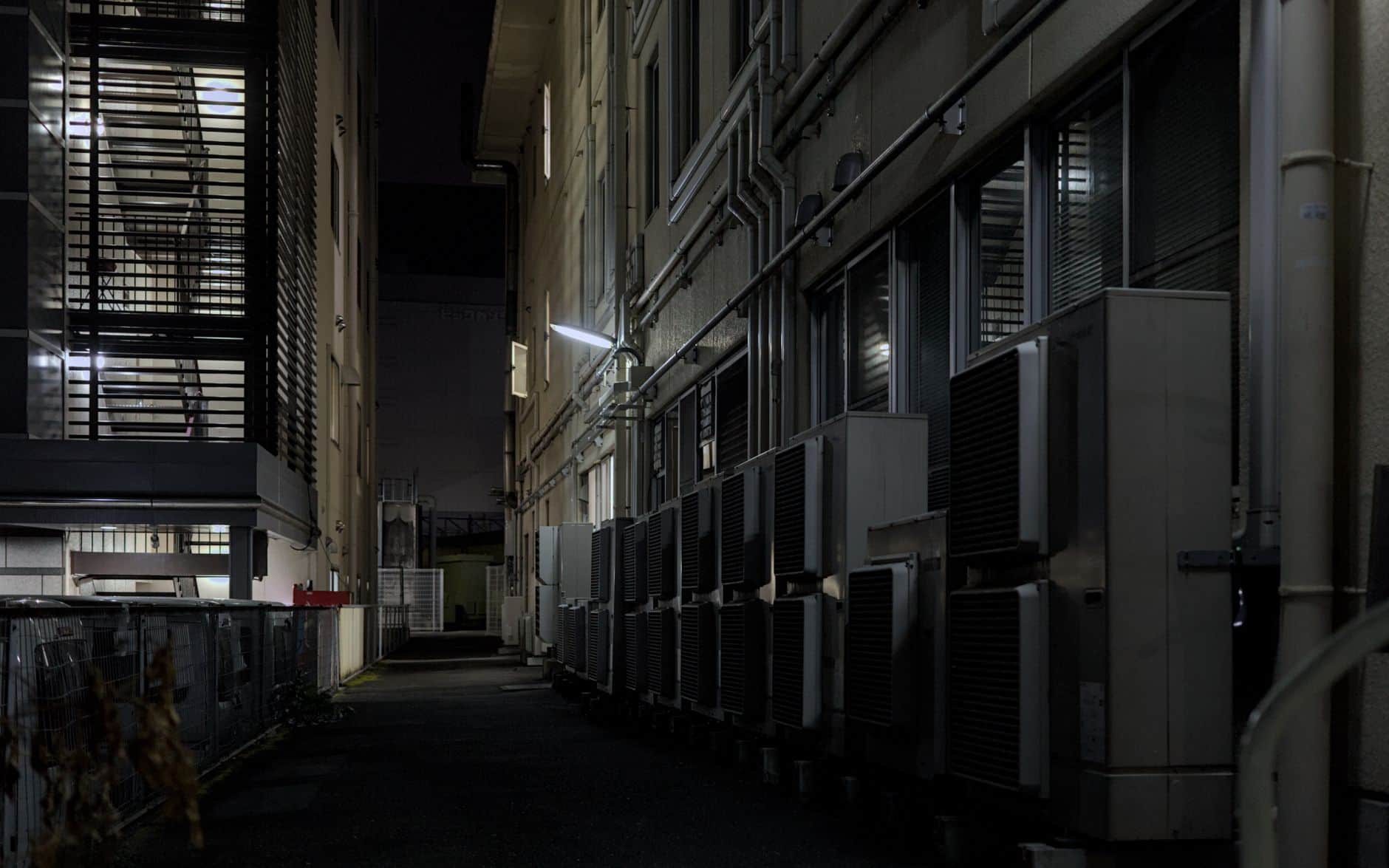
- It's boxed into a tight alcove or behind a wall with barely any gap for airflow
- It's mounted low to the ground in a spot that pools water in rainy season
- It faces directly into the prevailing wind and driving rain
- It's within a few hundred metres of the beach with no cover and visibly rusting fins
What Good Placement Looks Like
- Some shade, not full enclosure. A roof overhang or a simple sun shade on the sun-facing side helps a lot. Never build a solid box around it — the unit needs the hot exhaust air to escape, or it will recirculate and cool poorly.
- Real clearance. Keep at least 30 cm free on the sides and back, and 60–100 cm clear in front of the exhaust airflow. Cramped installs are one of the most common reasons a system "loses power" over time.
- Off the ground. A metal or concrete stand keeps the unit above standing water during rainy season and reduces vibration noise transferred into the wall.
- Away from direct salt spray. If the property is beachfront, expect faster corrosion regardless of placement — but keeping the unit under partial cover and rinsing it with fresh water every few weeks slows it down meaningfully.
- Not facing straight into monsoon wind, if avoidable — driving rain forced into the electrical box is a common cause of nuisance breakdowns from June to October.
Rooftop vs Ground Mounting on Villas
Rooftop mounting is common on Samui villas because it frees up wall space and keeps the unit out of the way. It generally gets more sun exposure, so shading becomes more important, not less. Ground mounting on a stand is easier to service, clean and inspect, which matters given how often units here need attention.
For multi-split systems running two or more indoor units off a single outdoor condenser, the outdoor unit is larger and generates more heat — clearance requirements go up, not down. A cramped multi-split outdoor unit is a frequent reason a whole villa's air conditioning underperforms at once.
What Bad Placement Actually Costs You
- Higher electricity bills, because the compressor works harder to reject heat in a hot, boxed-in, sun-baked spot
- Shorter compressor lifespan
- Faster corrosion, meaning more frequent part replacement or full unit failure
- More frequent breakdowns during rainy season
- Rooms that never quite reach the temperature you set
If You're Already Stuck With a Bad Spot
Moving an outdoor unit isn't always practical, especially in a rented villa. If relocation isn't an option, you can still reduce the damage:
- Add a simple shade panel above the unit, leaving the sides and back open
- Rinse salt residue off the coil and casing every 2–4 weeks if you're near the beach
- Clear any debris, leaves or storage boxes that have crept into the clearance space
- Have the drainage and electrical box checked before rainy season each year
We do same-day visits across most of Samui and can assess an existing installation, relocate a unit, or advise on placement before a new install — from 900฿ for an inspection visit. Payment is cash, Thai QR (PromptPay), or crypto. We don't offer a formal warranty, but we stand behind the work and come back if something isn't right.
If your outdoor unit looks like it's fighting the wrong spot, book a technician and we'll take a look.