
Does Air Conditioning Stop Humidity Damage in Koh Samui Homes?
Koh Samui sits at 70-90% relative humidity for most of the year, and that moisture doesn't just make the air feel heavy. It quietly damages the things inside a house: wooden furniture, electronics, leather, musical instruments, even the clothes in a closet. Air conditioning is the main defense most villas and condos have against this, but it only works if it's used the right way.
What High Humidity Actually Does Indoors
Moisture in the air gets absorbed by anything porous. Over weeks and months this shows up as:
- Wooden furniture, doors and window frames swelling, sticking or cracking as they dry out again
- Fine black or green mold spots on wood, leather, bags, shoes and book covers
- Corrosion on circuit boards inside TVs, speakers, laptops and kitchen appliances
- Warped strings and bodies on guitars and other wooden instruments
- A musty smell in closets, drawers and under-bed storage that no amount of cleaning removes
None of this needs a flood or a leak to happen. Ordinary tropical air at 80%+ humidity is enough on its own, especially in rooms that stay closed for days at a time, which is common in second homes and rental villas between guests.
How Air Conditioning Helps
A running AC unit does two things at once: it cools the air, and as a side effect it pulls moisture out of that air and drains it away through the condensate line. This is the same process that makes water drip from an outdoor unit. For most rooms, keeping the AC running regularly is enough to hold indoor humidity in the 50-60% range, which is where mold growth and wood movement slow down dramatically.
The catch is that an AC unit only dehumidifies while it's actively cooling. If a room is closed up with the AC off for a week while the owners are traveling, humidity climbs right back to outdoor levels and the clock starts running on mold and corrosion again.
Running AC for Protection, Not Just Comfort
If the goal is protecting a wine collection, home studio, guitar room or a closet full of leather bags, comfort-level cooling isn't really the target. A few practical habits matter more:
- Use dry mode (sometimes labeled with a water-drop icon) on days when the room doesn't need to feel cold but still needs moisture pulled out. Dry mode runs the compressor at low speed and prioritizes dehumidifying over temperature.
- Don't switch the AC off completely for extended absences in rooms with sensitive items. Running it on a timer for a few hours a day, or setting it a few degrees warmer than usual, keeps humidity from rebounding while using less power than full cooling.
- Keep closets and cabinets slightly open rather than sealed shut. A fully closed, unventilated cabinet traps whatever moisture is already inside it.
- Check that the indoor unit's drain line isn't clogged. A partially blocked drain can cause the unit to run inefficiently or leak, adding moisture back into the room it's supposed to be drying.
When AC Alone Isn't Enough
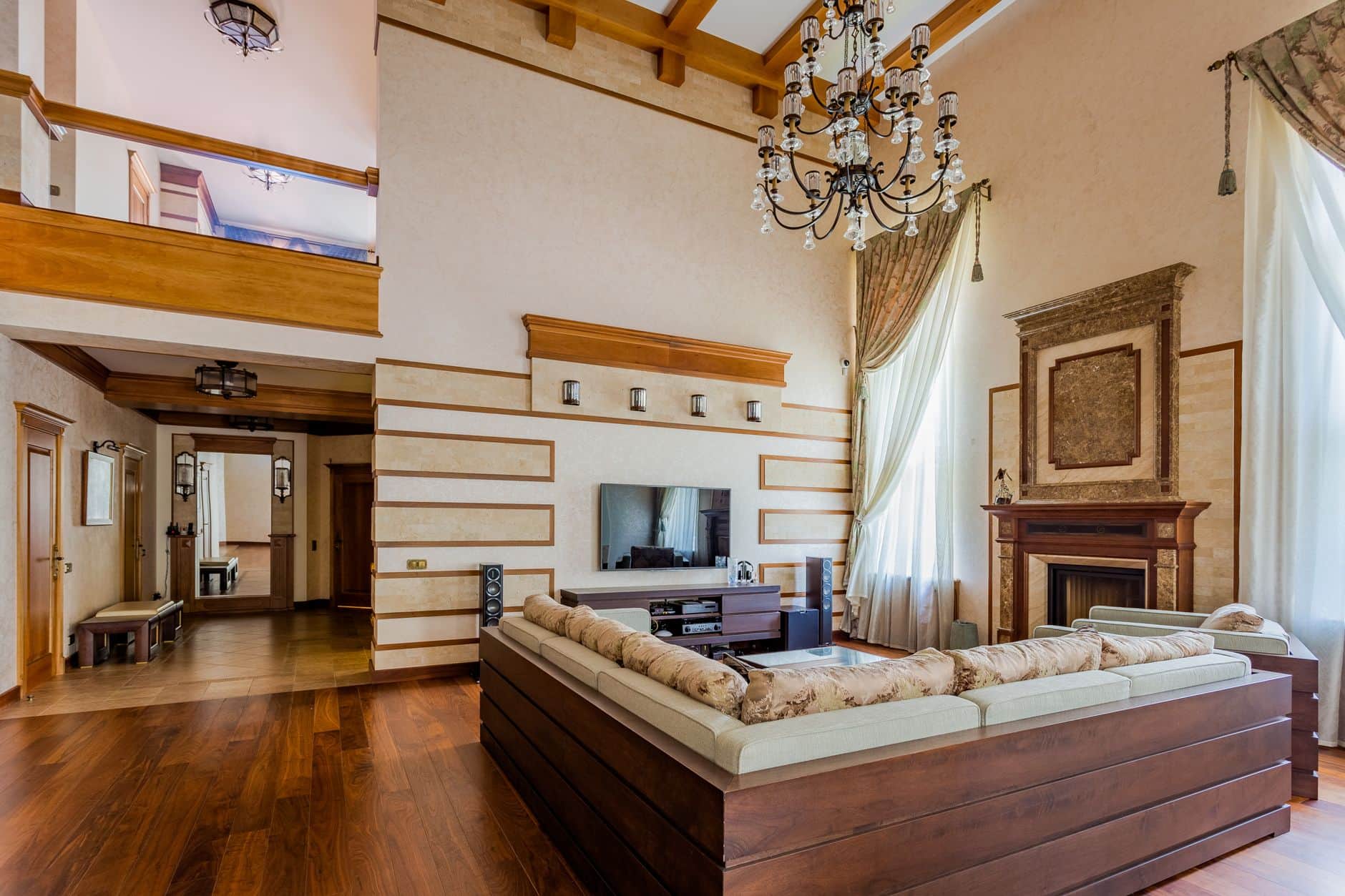
In larger open-plan living areas, rooms with high ceilings, or spaces where AC only runs a few hours a day, the dehumidifying effect is too inconsistent to fully protect valuable wood furniture or electronics. A standalone dehumidifier running alongside the AC, especially overnight or during the rainy season, closes that gap far more reliably than running the AC colder.
A Quick Checklist for Villa and Condo Owners
- Target indoor humidity of 50-60%, not just a comfortable temperature
- Use dry mode on humid but mild days instead of skipping the AC entirely
- Never leave a closed room with wooden furniture or electronics unconditioned for more than a few days
- Have the drain line and filters checked regularly so the unit dehumidifies as well as it cools
- Add a dehumidifier in rooms that stay warm or closed most of the time
If a unit in your villa seems to be cooling fine but humidity indoors still feels high, or if you've noticed early mold on furniture or a musty closet, it's worth having a technician check the drainage and refrigerant charge rather than just lowering the thermostat further. You can book a technician for a same-day inspection in most areas of the island.