
Best AC Setup for a Home Theater or Media Room in Koh Samui
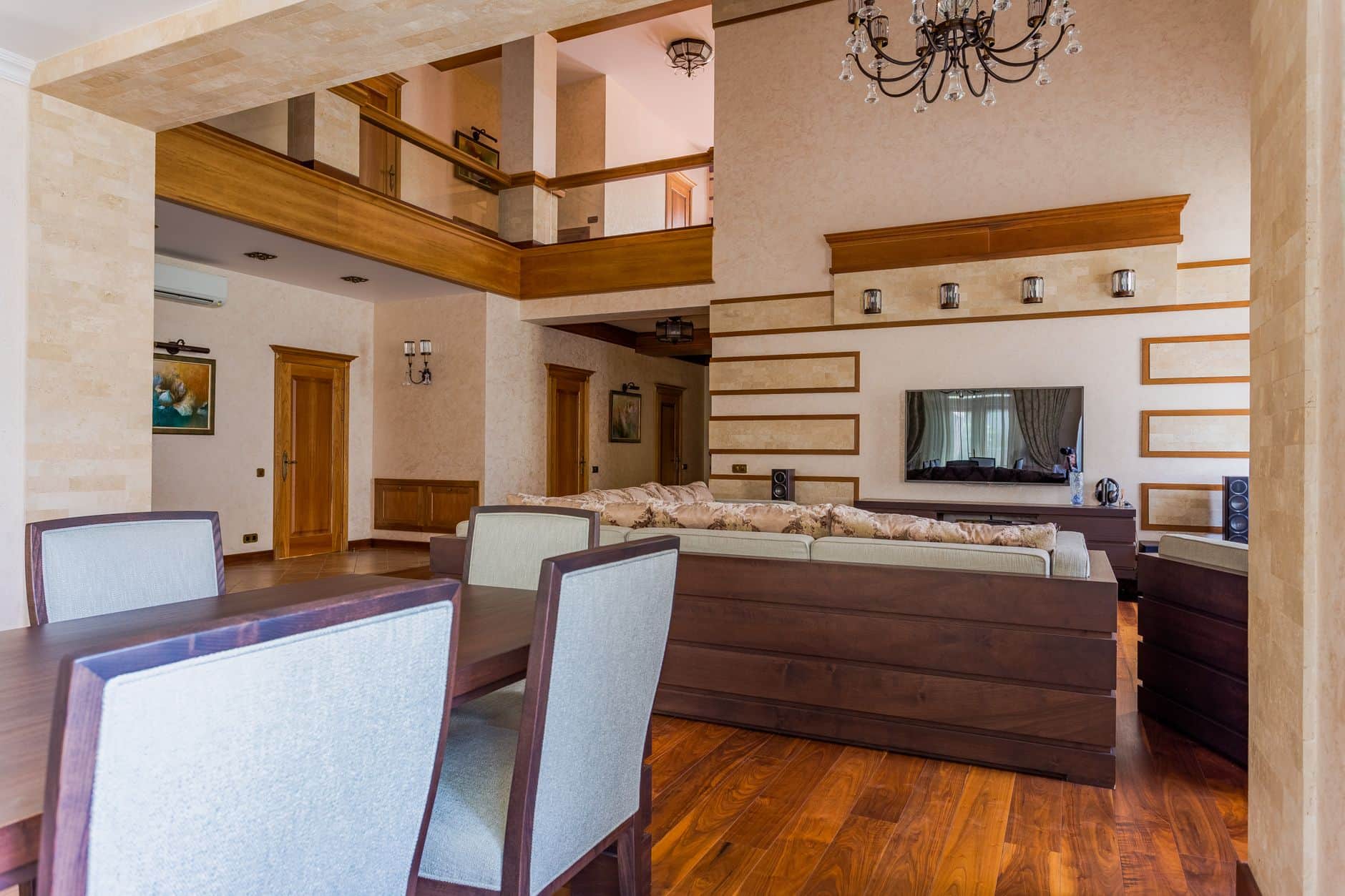
A home theater or dedicated media room sounds simple to cool: it's usually a small, enclosed box. In practice, these rooms are some of the trickiest spaces to get right on Koh Samui. A projector, AV receiver, game console, subwoofer and a rack of cabling all generate heat around the clock, and the room is sealed up with blackout curtains and extra insulation for sound and light control. Add tropical humidity and the result is a room that feels warm and stuffy even when the AC is running.
Why Media Rooms Run Hotter Than You Think
Electronics add real heat load, not just a minor bump. A projector lamp or laser engine, an AV receiver driving several speakers, and a powered subwoofer can together add noticeably more heat than a TV and a laptop would in the same space. Blackout curtains and acoustic panels also trap heat that would otherwise escape through a window or thin wall, since they're designed to block light and sound rather than let air move.
This is why a media room that looks like a simple 3x4 meter bedroom on paper often needs more cooling capacity than a bedroom of the same size.
Right-Sizing the AC for Equipment Heat
Standard BTU-per-square-meter charts are built around normal household heat loads. For a media room, add extra capacity for the equipment itself:
- Count the AV receiver, projector, consoles and any powered speakers as additional heat sources, not just the room's floor area.
- If the room will regularly hold more than two or three people for movie nights, factor in body heat too.
- When in doubt, round up to the next size unit rather than down. An undersized unit in a sealed room will short-cycle and still feel humid.
An inverter unit is worth the extra upfront cost here, since it can hold a steady temperature quietly rather than switching on and off at full blast.
Keep It Quiet: Choosing a Low-Noise Unit
Noise matters more in a media room than almost anywhere else in the house. A rattling outdoor compressor cycling on and off, or a wall unit with a noisy fan, will compete with dialogue and quiet soundtrack passages. When choosing a unit:
- Ask specifically about the indoor unit's low-fan-speed decibel rating, not just the headline spec.
- Favor inverter models, which ramp gently instead of switching fully on and off.
- If possible, locate the outdoor unit away from the wall shared with the media room, or at least away from the screen wall.
Light-Blocking Curtains and Insulation Trap Heat
The same blackout curtains and acoustic treatment that make the room good for movies also stop it from venting heat naturally. A few practical fixes:
- Leave a small gap for airflow behind heavy curtains rather than sealing them flush to the wall.
- Position the AC's airflow so it circulates across the room rather than blowing directly at the screen or seating only.
- If the room has a solid door, consider a basic door sweep or gap to allow some air exchange with the hallway, unless sound isolation is the priority.
Placement Tips for Indoor and Outdoor Units
Indoor unit placement affects both comfort and equipment life:
- Don't mount the indoor unit directly above the equipment rack, where condensate drips or airflow can affect electronics over time.
- Aim airflow across the seating area, not straight down the screen wall, to avoid uneven cooling between the front and back of the room.
- For the outdoor unit, normal rules still apply on Samui: keep it shaded, off the ground, and clear of direct salt-laden sea breeze where possible.
Humidity Control for Sensitive Equipment
Projectors, amplifiers and speaker cabinets don't like damp air. Running the AC in a reasonable cool/dry balance, rather than cycling it off between movie nights, helps keep humidity down and protects lenses, circuit boards and wood veneers from the condensation and mould that tropical humidity causes in sealed rooms.
If the room sits empty for days between uses, as in many Samui villas, it's worth running the AC on a mild schedule rather than switching it off completely, since a fully sealed, unconditioned room can become noticeably more humid than the rest of the house.
Maintenance Schedule for a Media Room
Because the room is sealed and the AC often runs for long, quiet stretches rather than short bursts, filters and coils can load up with dust faster than expected, especially in a villa with regular guest turnover. A cleaning every three to four months is a reasonable baseline for a media room, more often if construction dust or pet hair is a factor nearby.
A quick inspection visit is usually enough to tell whether the unit is sized and placed correctly for the equipment load, or whether airflow needs adjusting. Same-day visits are common, and diagnostic callouts start from 900฿. We accept cash, Thai QR/PromptPay, or crypto.
If you're setting up a media room or home theater and want the AC planned in before the gear goes in, book a technician and we'll help size and place it correctly from the start.