
Air Conditioning for Yoga Studios and Wellness Retreats on Koh Samui
Air Conditioning for Yoga Studios and Wellness Retreats on Koh Samui
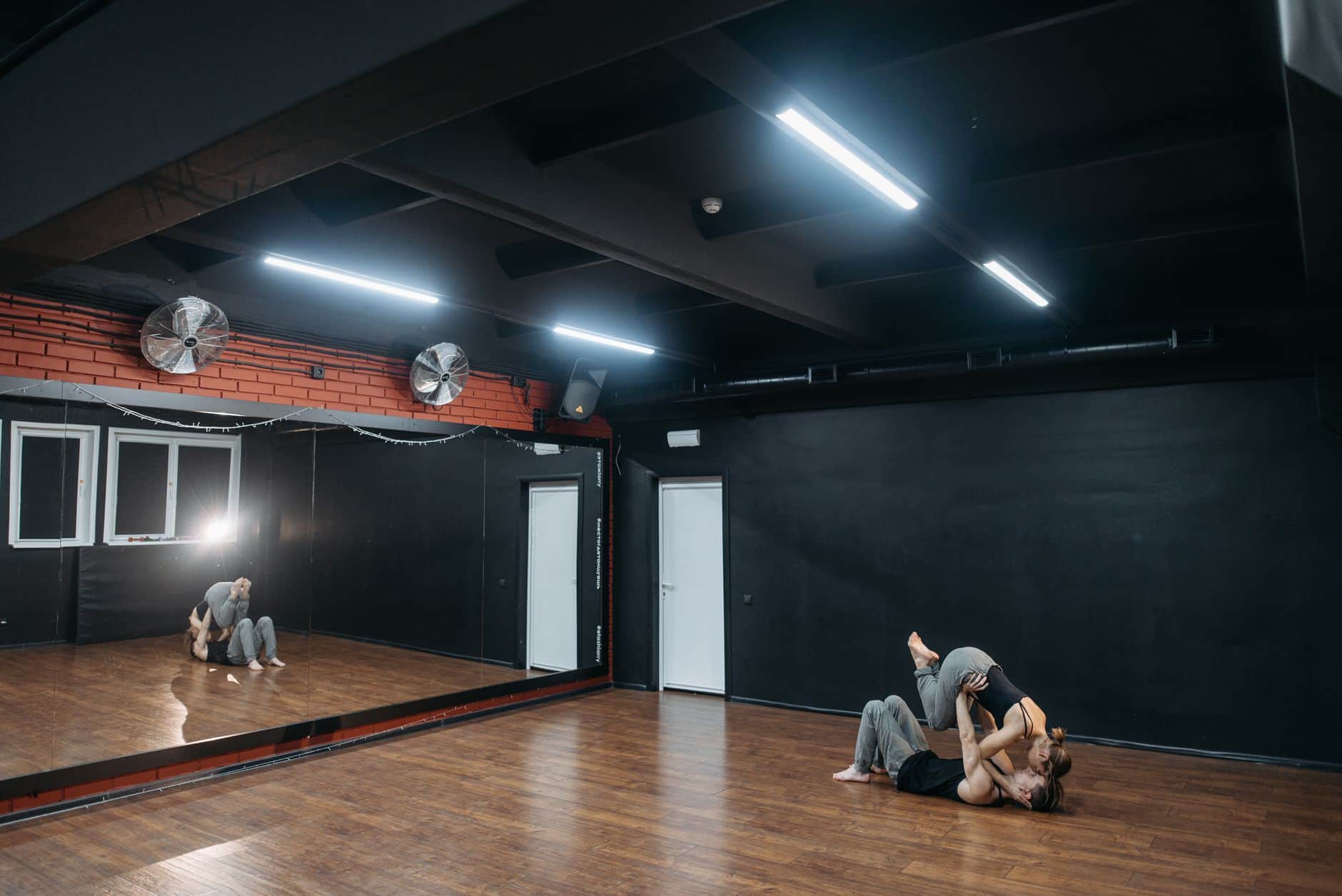
Koh Samui has one of the densest concentrations of yoga studios and wellness retreats in Southeast Asia, and most of them run classes through the hottest hours of the day. Getting the aircon for a yoga studio Koh Samui setup right is different from cooling a bedroom or an office — the priorities are silence, even airflow, and humidity control, not just raw cooling power.
Why a Yoga Space Needs a Different Approach
A studio is usually one open room with mats on the floor, bare feet, and people lying still during savasana or meditation. That changes what matters:
- Noise has to be near-silent, not just "quiet for a bedroom"
- Cold drafts on bare skin during stillness feel worse than in a living room
- Humidity swings affect mats, props, wooden floors and mirrors
- The room fills with 10-30 bodies generating heat and moisture during a class, then empties out completely
A system sized and installed like a standard villa bedroom unit usually gets this wrong in at least two of these ways.
Noise Is the First Design Constraint
Most studios want the compressor and fan noise low enough that a teacher's quiet voice carries over it, and low enough not to compete with ambient music or a singing bowl. Practical steps:
- Choose inverter units — they ramp down to low speed once the room is at temperature, instead of cycling on and off at full blast
- Avoid cassette units mounted directly above the practice area if the model has a known high-pitch fan whine; check decibel ratings before buying
- Keep the outdoor unit away from shared walls with neighboring rooms or outdoor decks used for meditation
- Service the unit on schedule — a dirty fan or worn bearing is almost always what turns a quiet unit noisy after a year or two
Humidity Control for Mats, Props and Wooden Floors
Koh Samui's ambient humidity sits well above 70% for most of the year. In a closed studio with the aircon off between classes, that moisture gets trapped and settles into cork blocks, foam mats, and timber flooring — which is how mold shows up on props and musty smell shows up in storage cupboards.
- Run the unit in dry mode for an hour before the first class of the day if the studio was closed overnight
- Store rolled mats and blocks in a ventilated rack, not sealed boxes, so trapped moisture can escape
- Keep humidity around 50-60% rather than chasing the coldest possible temperature — this protects wood floors and equipment better than running the compressor at maximum
- If the room has large glass doors facing the sea, expect extra moisture load from condensation; a slightly larger unit than a plain square-footage calculation suggests is usually worth it
Airflow Without the Draft
People lying on the floor for a long stretch in corpse pose feel a direct blast of cold air much more than someone standing or walking. For an even feel across the room:
- Position indoor units so airflow doesn't point straight down onto the mat area where people lie still
- Use the swing/louver function rather than a fixed direction during class
- In a room with high or vaulted ceilings, a ceiling fan running on low alongside the aircon helps push cooled air down evenly without needing the aircon set colder
- For larger studios, two or three smaller units spread across the room usually feel more even than one oversized unit in a corner
Sizing for an Open, High-Ceiling Studio
Many Samui studios are built with high ceilings, open sides, or sliding doors to the garden for ventilation and views. These features look great but complicate sizing:
- A simple BTU-per-square-meter rule underestimates load when ceilings are high or walls are partly open
- Direct sun through large windows or open sides adds real heat gain during midday classes
- A studio that runs back-to-back classes all day needs a system sized for sustained load, not just the peak of one session
A technician who measures the room, checks ceiling height and glazing, and asks about typical class size and schedule will size this far better than a generic calculator.
Maintenance Schedule That Matches Class Volume
A studio running multiple classes a day moves more air through the filters than a bedroom unit ever will, and the humidity and incense or essential oil use add their own residue.
- Clean or rinse washable filters every 2-3 weeks during busy months, not the standard 3-month villa schedule
- Book a full chemical wash every 6 months rather than once a year — the coil collects dust, oil residue from skin contact with mats near vents, and salt air faster in a high-traffic room
- Check and clear the drain line regularly; a studio running aircon for many hours daily produces more condensate than a typical bedroom, and a blocked drain means water on a floor full of bare feet
Booking a Technician
For a new studio build, retreat center fit-out, or an existing space that feels too loud, too cold in spots, or permanently damp, it's worth having a technician assess the room rather than guessing at unit size. Same-day visits are common for cleaning and troubleshooting, and quotes for installation start from 15,000฿ depending on unit count and room size. We don't offer a warranty on our work, but payment is simple — cash, Thai QR/PromptPay, or crypto.
If you're planning or adjusting a studio's cooling setup, book a technician for a site visit and sizing assessment.