
AC Error Codes on Koh Samui: What E1, E5, F0 and Other Codes Really Mean
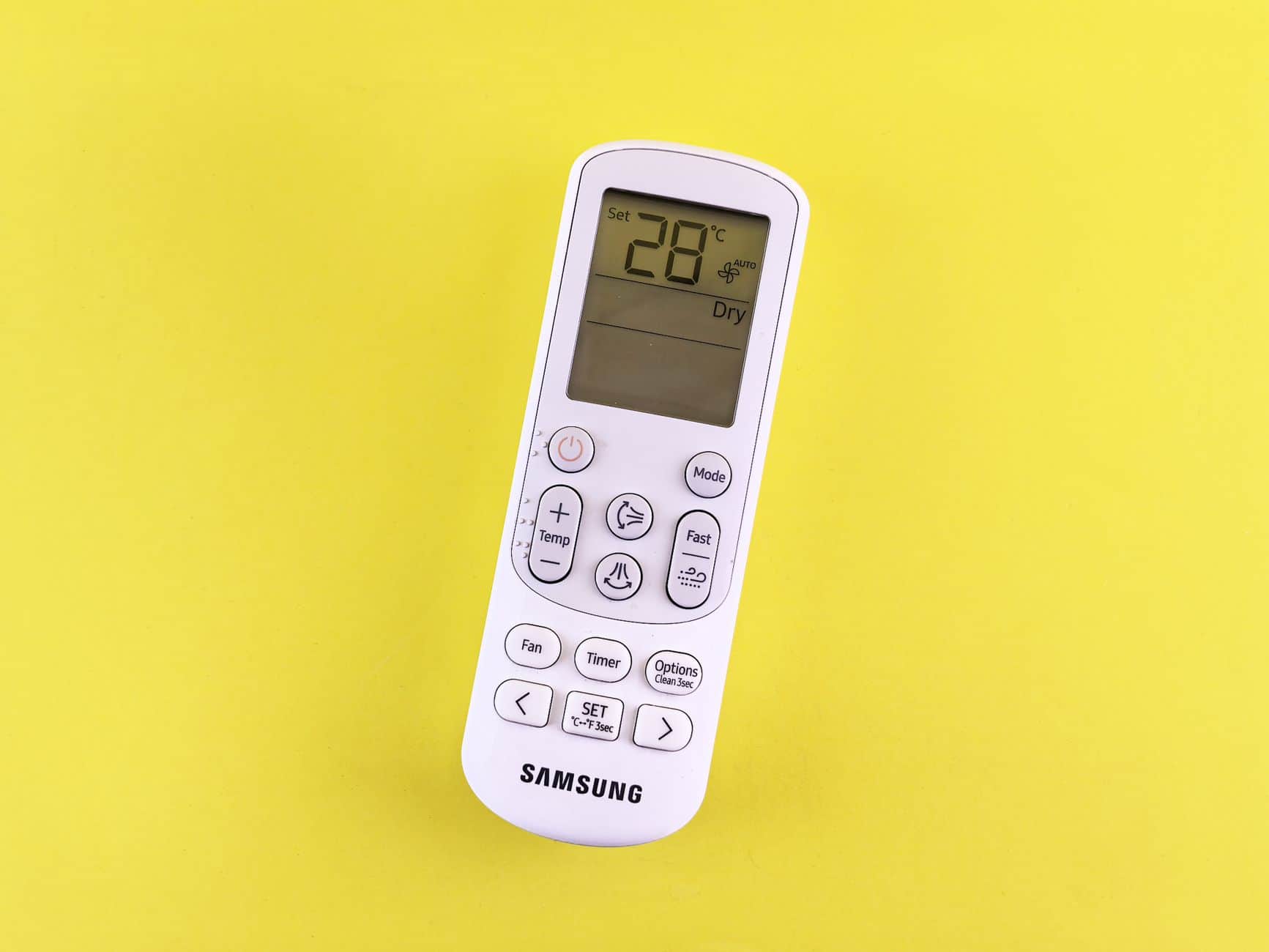
What an AC Error Code Actually Means
If your split AC in Koh Samui suddenly stops cooling and the indoor unit starts flashing a code, or the timer light blinks a set number of times, that's not random — it's a safety sensor reporting a specific fault. Switching the breaker off and on often clears the display for a few minutes, but if the underlying cause is still there, the same code (or a worse one) comes back fast. Knowing roughly what the code family means saves a wasted service call, or tells you it's time to stop guessing and call someone.
Codes Vary by Brand, but Fall Into Groups
Samui homes and villas run a mix of Daikin, Mitsubishi, Panasonic, Gree, and Midea units, and each brand uses its own numbering. But almost every code you'll see falls into one of these groups:
- Communication error (often E0, E1, or a repeating single beep pattern) — the indoor and outdoor units aren't talking to each other properly. Sometimes a loose connector, sometimes a failing board.
- Sensor fault (often E2–E5 range) — a temperature sensor on the coil or in the room has failed or is reading an impossible value.
- Drainage / float switch error (often E6, EC, or a "P" code on some brands) — the indoor unit has detected water backing up instead of draining out. Extremely common here because of how much condensate a unit in constant humidity produces.
- Compressor / high-pressure protection (often E7–E9 or "H" codes) — the outdoor unit shut the compressor down to protect itself, usually from restricted airflow, low refrigerant, or overheating.
- Overcurrent / voltage fault (often "P" or "L" codes) — the unit sensed power outside its safe range, which happens more often here during storms and grid fluctuations.
Your unit's manual (or a photo of the model plate sent to a technician) will give the exact meaning, but this grouping tells you roughly which system is affected before anyone even visits.
The One Code Group You Shouldn't Restart Past
Communication and sensor faults are usually safe to power-cycle once while you wait for a technician. Compressor-protection and overcurrent codes are different — if the unit shuts itself down to protect the compressor and you keep force-restarting it, you can turn a fixable protection trip into an expensive compressor failure. If the same high-pressure or overcurrent code returns twice within an hour, stop restarting it and turn the unit off at the breaker until someone looks at it.
Why Samui Units Throw Codes More Than Units Elsewhere
A few things about this climate push error codes up:
- Humidity load means condensate drain lines run near-constantly and clog with algae and dust faster than in a dry climate, tripping float-switch and drainage codes.
- Salt air near the coast corrodes sensor contacts and PCB connectors over a couple of years, causing intermittent communication faults that come and go with vibration or wind.
- Voltage dips during storms trip overcurrent protection on units that are otherwise completely healthy.
- Units that run nearly year-round rack up sensor wear that a seasonal-use unit elsewhere wouldn't see for years.
What to Check Yourself Before Calling
A few minutes of checking can rule out the simple causes:
- Look at the outdoor unit — is the fan spinning, is it caked in leaves or salt residue, is anything blocking airflow into it?
- Check the indoor unit's drain hose outside — is water actually coming out, or has it stopped, which points to a drainage-code cause?
- Note exactly what the display is doing: how many blinks, which light, any beep pattern. This detail saves diagnostic time on-site.
- If it's a fresh power cut or storm, wait 10–15 minutes after power is stable before restarting — some units need that buffer before their protection logic resets cleanly.
When to Call a Technician
If the code returns after one restart, if it's a compressor-protection or high-pressure code, or if you simply can't tell which group it falls into, it's not worth guessing further. A technician can read the fault history from the board in most cases, which points straight to the failed part instead of trial-and-error. Same-day visits are common on the island, so a flashing code doesn't usually mean days without cooling.
If you want it looked at properly rather than just reset and hoped-for, book a technician. We take cash, Thai QR-PromptPay, or crypto, and we don't fabricate a diagnosis over the phone — we tell you what the board says once we've actually seen it.